What Is Passive Income in the US? A Simple Guide for Beginners to Build Extra Income (2026)
What Is Passive Income in the US? A Simple Guide for Beginners to Build Extra Income (2026)
Learn what passive income means in the US, how it works, popular passive income ideas, and practical examples for beginners who want to build long-term financial freedom.
What Is Passive Income in the US?
Many Americans dream about earning money even when they are not actively working.
Imagine waking up in the morning and seeing income credited to your bank account — without clocking in at a job.
This idea is known as passive income.
Passive income has become a major financial goal for many Americans who want:
Financial freedom
Extra income streams
Greater financial security
But what exactly does passive income mean? And how can beginners start building it?
Let’s break it down in a simple and practical way.
What Is Passive Income?
Passive income is money earned with minimal daily effort after the initial work or investment is done.
Unlike a traditional job where you exchange time for money, passive income continues to generate earnings even when you are not actively working.
Examples include:
Royalties from digital products
The concept is simple: your money or assets work for you.
Active Income vs Passive Income
| Income Type | Example | Effort Required |
|---|---|---|
| Active Income | Salary or hourly wage | Continuous work |
| Passive Income | Dividends or rental income | Limited ongoing work |
Active income stops when you stop working. Passive income can continue for years.
That’s why many Americans aim to build passive income streams.
Why Passive Income Matters


Passive income financial freedom concept
Checking investment income on smartphone
Financial independence lifestyle illustration
Multiple income streams concept
Passive income offers several advantages:
Financial Security
Multiple income streams reduce dependence on one paycheck.
Wealth Building
Income can be reinvested to grow wealth over time.
Flexibility
Passive income allows more freedom in how you spend your time.
Retirement Support
Many Americans rely on passive income during retirement.
If you are new to investing, read our guide “What Is Investing for Beginner Americans” (Internal Link).
Common Types of Passive Income in the US
1. Dividend Stocks


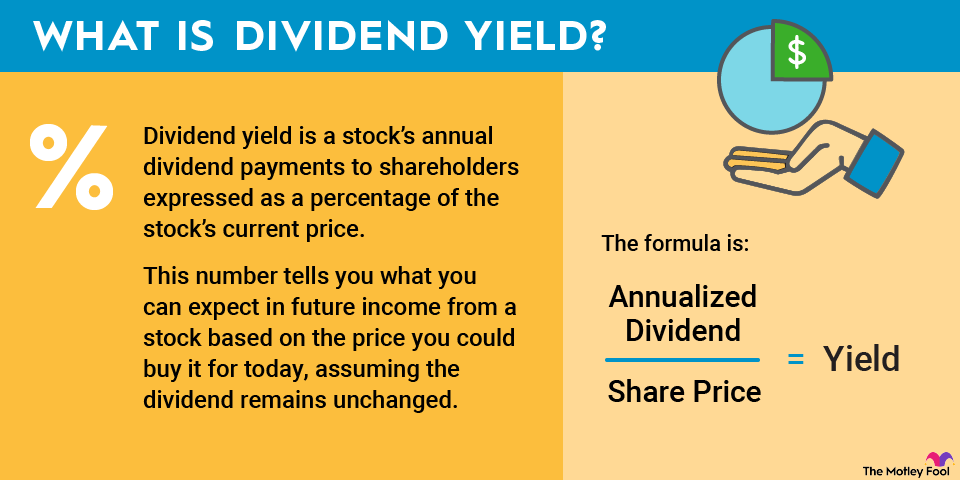
Dividend stock investing concept
Dividend payment income illustration
Stock market dividend yield concept
Dividend portfolio growth chart
Some companies distribute profits to shareholders through dividends.
If you own dividend-paying stocks, you may receive payments regularly.
Examples include large American companies such as:
Apple Inc.
Dividend income can be reinvested to grow wealth faster.
2. Rental Income
Real estate is one of the oldest passive income strategies.
Example:
You buy a rental property and tenants pay monthly rent.
After expenses such as mortgage and maintenance, the remaining amount becomes passive income.
However, real estate still requires some management.
3. ETF and Index Fund Investments
Many Americans invest in funds that track market indexes like the S&P 500.
These funds grow over time and may generate dividends.
To understand ETFs better, read our article
“What Is ETF and How It Works” (Internal Link).
4. Mutual Fund Income
Mutual funds may distribute:
Dividends
Interest income
Capital gains
This income can be reinvested or withdrawn.
Learn more in “Mutual Funds for Beginner American Investors Explained” (Internal Link).
5. Online Digital Products
Some passive income streams come from digital assets such as:
Online courses
eBooks
Photography licenses
Print-on-demand products
These require upfront effort but may generate income over time.
Chart: Passive Income Growth Example
Investment: $20,000 in dividend ETF
Average Dividend Yield: 3%

Annual Passive Income: $600
Monthly Passive Income: $50
As investments grow, passive income also increases.
Passive Income Through Retirement Accounts
Many Americans build passive income through retirement accounts such as:
These accounts allow investments to grow with tax advantages.
To understand retirement accounts better, read:
“401(k) Explained Simply for Beginner Investors” (Internal Link)
“Roth IRA vs Traditional IRA Explained” (Internal Link)
Passive Income Strategy Flow
Earn Active Income
        ↓
Save and Build Emergency Fund
        ↓
Invest Regularly
        ↓
Generate Dividends and Returns
        ↓
Reinvest Income
        ↓
Build Multiple Passive Income Streams
Before investing, ensure you have financial stability. Read “How to Build Emergency Savings in the USA” (Internal Link).
Real US Example
Let’s look at a practical scenario.
Sarah lives in Texas and earns $70,000 annually.
She invests $500 per month into diversified ETFs.
After 20 years, her portfolio grows to around $250,000.
If the portfolio generates a 3% dividend yield, she earns about $7,500 annually in passive income.
That’s roughly $625 per month without active work.
Common Passive Income Mistakes
Many beginners misunderstand passive income.
Expecting instant results
Passive income takes time to build.
Ignoring risk
Investments can fluctuate.
Not diversifying income streams
Relying on one source increases risk.
Reinvesting too little
Reinvesting income helps accelerate growth.
Educational Resources
Trusted financial education resources include:
U.S. Securities and Exchange Commission
https://www.investor.govFinancial Industry Regulatory Authority
https://www.finra.org
Market education from
New York Stock Exchange
https://www.nyse.com
Reference Video
Passive Income Explained
https://www.youtube.com/watch?v=example-passive-income
FAQ
What is passive income in simple terms?
Passive income is money earned with minimal ongoing effort after the initial investment or work.
Is passive income truly passive?
Most passive income streams require some maintenance or monitoring.
How much money do I need to start passive income?
Many people start with small investments such as $100 per month.
Are passive income investments safe?
All investments carry risks. Diversification helps reduce risk.
Can passive income replace a job?
It can over time, but most passive income streams take years to build.
Statutory Disclaimer
This article is for informational and educational purposes only and does not constitute financial, tax, or investment advice. Investments involve risks, including possible loss of principal. Financial circumstances vary among individuals. Readers should consult licensed financial advisors before making financial decisions. moneysenseamerica.blogspot.com and the author are not responsible for financial decisions based on this content.
Bibliography
U.S. Securities and Exchange Commission Investor Education
FINRA Investor Education Foundation
Federal Reserve Personal Finance Reports
Investment Company Institute Research
S&P Dow Jones Indices Historical Data
Final Thoughts
Passive income is not about getting rich overnight.
It is about building assets that generate income over time.
Many Americans build passive income through:
dividend investing
real estate
retirement accounts
digital assets
The key is starting early and staying consistent.
For more practical financial guidance, explore other articles on moneysenseamerica.blogspot.com, including:
How Much to Invest Monthly for Beginner Investors
What Is Investing for Beginner Americans
Mutual Funds Explained for Beginners
Stocks vs Bonds for Beginner Investors
Small investments today can become powerful passive income streams tomorrow.


Comments
Post a Comment