10 Costly Tax Mistakes Americans Make (And How to Avoid Them in 2026)
10 Costly Tax Mistakes Americans Make (And How to Avoid Them in 2026)
Avoid common tax mistakes Americans make in 2026. Learn about filing errors, missed deductions, IRS penalties, and smart tax-saving tips with real US examples.
10 Costly Tax Mistakes Americans Make (And How to Avoid Them)
Every year, millions of Americans file their taxes with good intentions. But small mistakes can lead to delayed refunds, IRS notices, penalties, or even audits.
The truth is simple — most tax errors are avoidable.
In this practical guide, we’ll break down the most common tax mistakes Americans make, explain why they happen, and show you how to fix them before they cost you money.
1. Filing with Incorrect Personal Information


IRS Form 1040 filing mistake example
W-2 form US tax document
Social Security card for tax filing
American filing taxes online at home
One of the most common mistakes is simple data entry errors:
Misspelled name
Incorrect bank account for refund
Wrong filing status
The Internal Revenue Service matches your information with Social Security records. A mismatch can delay your refund or trigger a review.
How to avoid it:
Double-check SSNs for you, your spouse, and dependents
Use last year’s tax return as reference
Review before hitting “submit”
2. Choosing the Wrong Filing Status
Your filing status affects:
Standard deduction
Eligibility for credits
Many Americans mistakenly choose “Single” instead of “Head of Household” and pay higher taxes.
For example:
A single parent earning $55,000 may save thousands by filing as Head of Household rather than Single.
If you’re unsure, review eligibility rules directly from IRS.gov.
3. Missing Valuable Tax Credits


Child Tax Credit USA example
Earned Income Tax Credit infographic
Family celebrating tax refund
IRS tax credit information sheet
Credits reduce your tax bill dollar-for-dollar.
Commonly missed credits:
Child Tax Credit
Earned Income Tax Credit (EITC)
American Opportunity Credit (education)
Saver’s Credit (retirement contributions)
Many eligible taxpayers leave money unclaimed simply because they assume they don’t qualify.
4. Forgetting to Report Side Income
The gig economy has changed everything.
If you drive for Uber, sell on Etsy, freelance online, or earn YouTube income — that income is taxable.
Forms you might receive:
1099-K
1099-MISC
The IRS receives copies of these forms. If you don’t report them, you may receive a notice months later.
5. Not Paying Estimated Taxes
Self-employed individuals must make quarterly estimated payments.
If you wait until April to pay everything, you could face:
Underpayment penalties
Interest charges
This applies to:
Freelancers
Consultants
Real estate investors
Online business owners
If you’ve read our previous guide on “Best Side Hustles That Actually Pay in the USA” (Internal Link), this is especially important for you.
6. Taking the Standard Deduction Without Checking Itemized Deductions


Mortgage interest deduction example
Medical expenses tax receipt
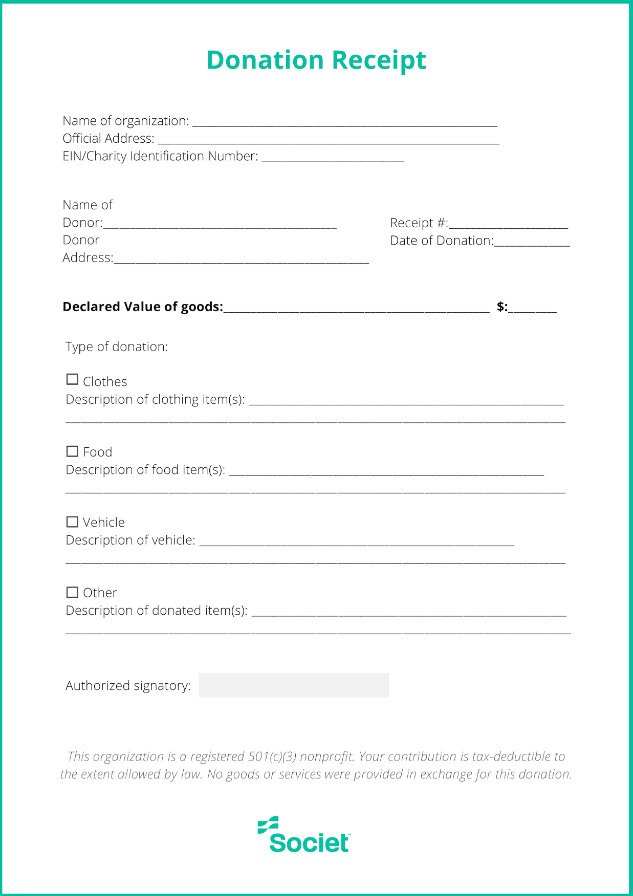
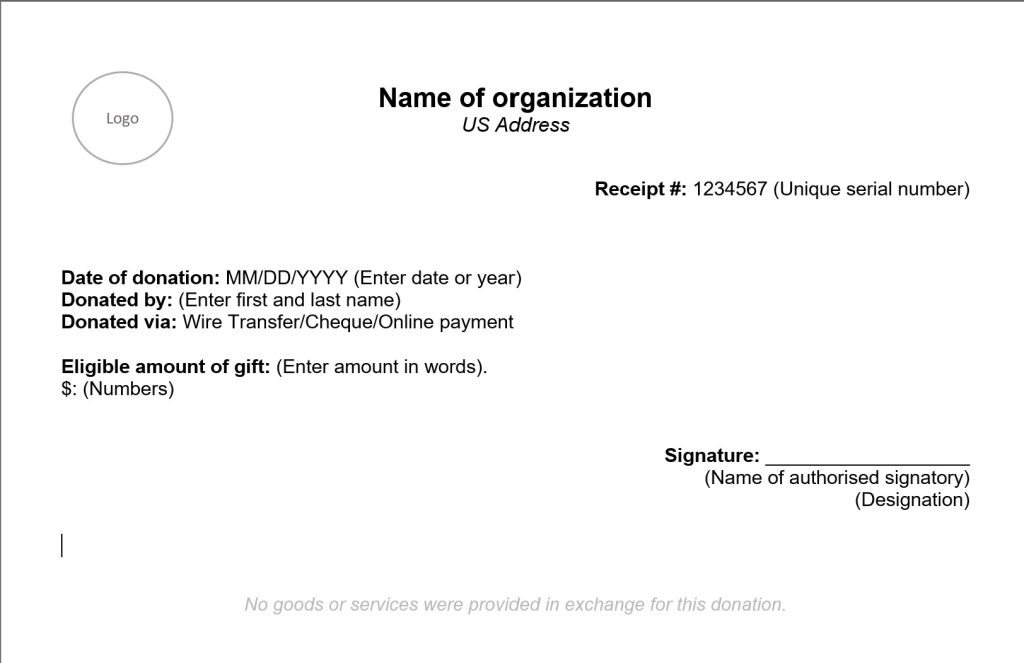
Charitable donation tax deduction receipt
Itemized deduction worksheet
For 2026, the standard deduction is generous. But some taxpayers still benefit more from itemizing.
Itemizable deductions include:
Mortgage interest
State and local taxes (SALT cap applies)
Medical expenses (over threshold)
Charitable donations
High medical bills or large charitable giving can make itemizing worthwhile.
7. Ignoring Retirement Contributions
Many Americans forget that contributing to:
401(k)
SEP-IRA
can reduce taxable income.
Example:
If you earn $75,000 and contribute $6,500 to a Traditional IRA, your taxable income decreases.
This can move you into a lower bracket.
If you're planning long-term wealth building, also read our article on “How to Build Retirement Wealth in America” (Internal Link).
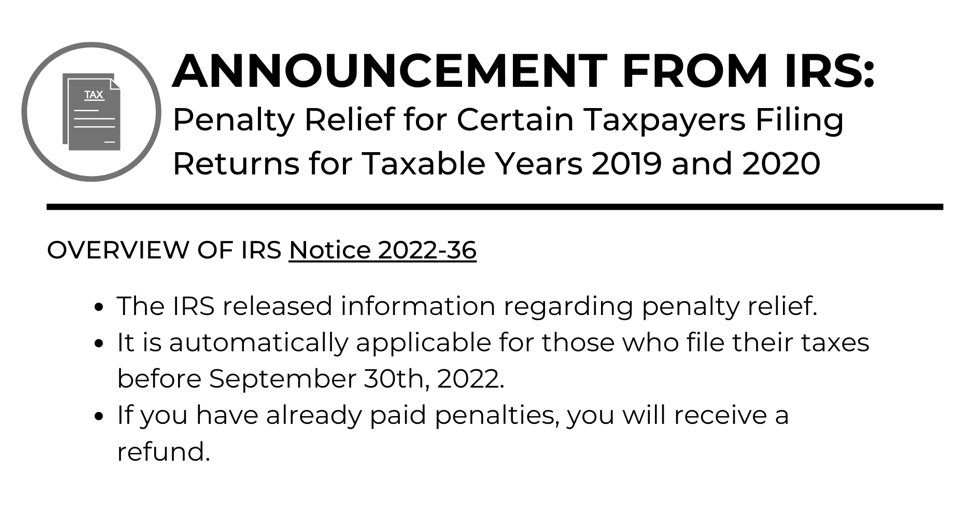
8. Filing Late (Even If You Can’t Pay)



April 15 tax deadline calendar
IRS late filing penalty letter
Stress during tax season USA
US tax filing deadline reminder
Tax Day is usually April 15.
Big mistake: Not filing because you can’t afford to pay.
Failure-to-file penalties are higher than failure-to-pay penalties.
Always file on time, even if:
You request an installment plan
You apply for an extension
9. Math Errors and Manual Filing Mistakes
If filing by paper, math errors are common.
Using reputable tax software reduces:
Calculation mistakes
Credit miscalculations
Income mismatch issues
E-filing also speeds up refunds.
10. Not Keeping Proper Records
The IRS can audit returns up to three years (longer in some cases).
Keep:
W-2s
1099s
Receipts
Bank statements
Investment records
Store digitally and physically if possible.
Chart: Common Tax Mistakes and Their Impact
Mistake                        | Possible Consequence
-----------------------------------------------------
Incorrect SSN                  | Refund delay
Unreported side income         | IRS notice + penalties
Late filing                    | Heavy penalties
Missed credits                 | Lost refund money
No estimated payments          | Underpayment penalty
Wrong filing status            | Higher tax bill
Simple Tax Filing Flow (Diagram)
Collect Documents
        ↓
Verify Personal Info
        ↓
Choose Filing Status
        ↓
Report All Income
        ↓
Check Deductions & Credits
        ↓
Review & E-File
        ↓
Save Records
Real-Life US Example
John from Texas freelanced part-time and earned $18,000 in side income. He didn’t make quarterly payments and forgot to report a 1099-K.
Result:
$1,200 penalty
Interest charges
IRS notice
Had he planned quarterly payments, this could have been avoided.
Reference Video
IRS Official Channel:
https://www.youtube.com/@IRSvideos
Understanding Tax Credits:
https://www.youtube.com/watch?v=example-tax-credit
Practical Tips for 2026 Tax Season
Start organizing documents in January
Use e-file with direct deposit
Track gig income monthly
Contribute to retirement before the deadline
Review last year’s return for consistency
FAQ
1. What is the most common tax mistake in America?
Incorrect personal information and missing income reporting.
2. Can tax mistakes trigger an audit?
Yes, especially underreported income.
3. What happens if I forget to report 1099 income?
The IRS may send a CP2000 notice with penalties and interest.
4. Is e-filing safer?
Yes. It reduces math errors and speeds up refunds.
5. How long should I keep tax records?
At least three years. Longer for property or investment records.
Statutory Disclaimer
This article is for informational purposes only and does not constitute tax, legal, or financial advice. Tax laws change frequently. Please consult a licensed CPA, enrolled agent, or tax professional for personalized guidance. The author and moneysenseamerica.blogspot.com are not responsible for financial decisions made based on this content.
Bibliography
Internal Revenue Service – IRS.gov
U.S. Department of the Treasury
IRS Publication 17 (Your Federal Income Tax)
IRS Publication 505 (Tax Withholding and Estimated Tax)
Final Thoughts
Taxes don’t have to be stressful. Most costly tax mistakes Americans make come from rushing, guessing, or ignoring small details.
Take your time. Review carefully. Use available credits. Plan ahead.
A little attention today can save thousands tomorrow.
If you found this helpful, explore more practical money guides on moneysenseamerica.blogspot.com, including:
How to Build Emergency Savings in the USA
Best Side Hustles That Actually Pay in America
Understanding US Tax Brackets Made Simple
Smart tax habits are not about being perfect. They are about being prepared.


Comments
Post a Comment