What Is an ETF and How Does It Work? A Simple Guide for Beginner American Investors (2026)
What Is an ETF and How Does It Work? A Simple Guide for Beginner American Investors (2026)
New to investing? Learn what an ETF is, how ETFs work, their benefits, risks, and real US examples to help beginner American investors build wealth wisely.
What Is an ETF and How Does It Work? A Beginner’s Guide for Americans
If you are new to investing, you have probably heard this term many times — ETF.
Financial advisors recommend it. Retirement plans include it. Investing apps promote it.
But what exactly is an ETF?
Let’s explain it in the simplest way possible.
An ETF (Exchange-Traded Fund) is a basket of investments that you can buy and sell on the stock market — just like a regular stock.
Instead of buying one company, you buy many at once.
That’s the power of ETFs.
ETF Meaning in Simple Words
ETF stands for Exchange-Traded Fund.
Break it down:
Exchange-Traded → It trades on stock exchanges like stocks do.
Fund → It holds a collection of investments (stocks, bonds, or other assets).
When you buy one ETF share, you instantly own small portions of many investments.
Think of it like buying a fruit basket instead of just one apple.
How Does an ETF Work?

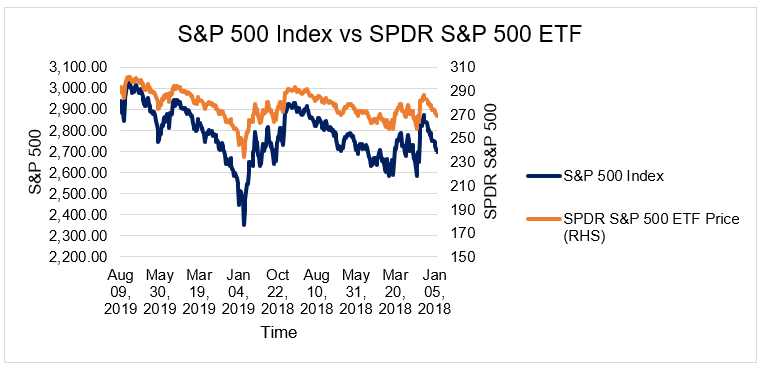
ETF basket of stocks concept
S&P 500 ETF performance chart
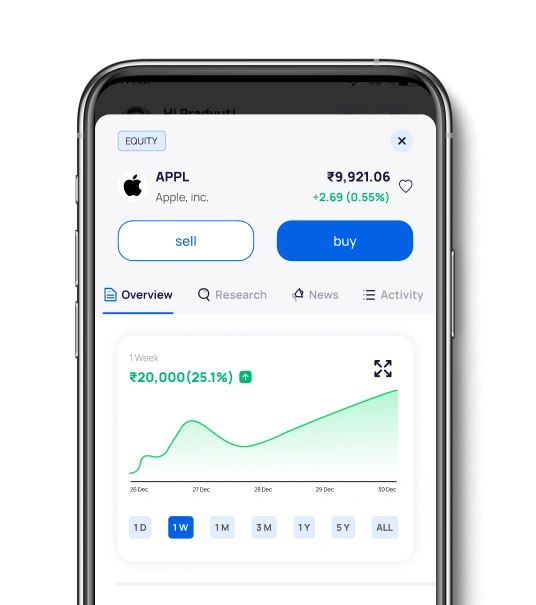
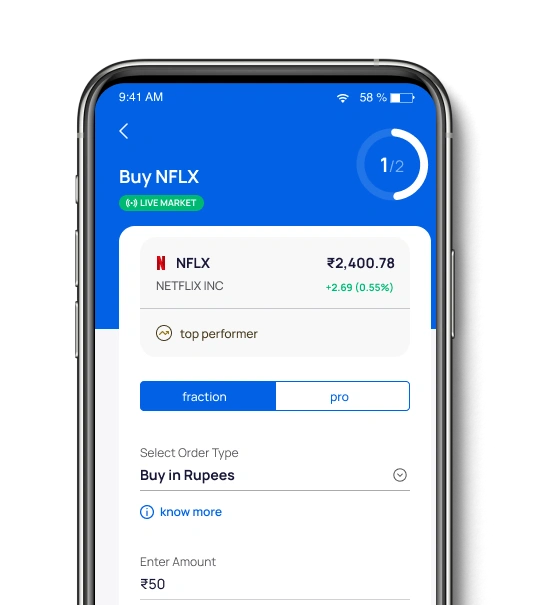
American investor using trading app
Diversified portfolio illustration
Here’s how it works step by step:
An investment company creates an ETF.
The ETF tracks an index, sector, commodity, or asset group.
Investors buy ETF shares on stock exchanges.
The ETF price moves throughout the day like a stock.
For example, an ETF that tracks the S&P 500 invests in 500 large US companies.
When those companies grow, the ETF value increases.
Real US Example of an ETF
Let’s say you invest $1,000 in an S&P 500 ETF.
With that single purchase, you gain exposure to companies like:
Apple Inc.
Amazon.com, Inc.
Instead of picking one stock, you own parts of hundreds.
This reduces risk compared to betting on a single company.
Why ETFs Are Popular Among Beginner American Investors
ETFs are popular because they are:
✔ Diversified
✔ Low-cost
✔ Easy to buy and sell
✔ Transparent
✔ Tax-efficient
For beginners, ETFs simplify investing.
If you’re just starting out, also read our guide on “What Is Investing? A Beginner’s Guide for Americans” (Internal Link).
Types of ETFs



Bond ETF investment example
Technology ETF sector investing
International ETF global investing
Dividend ETF income strategy
Here are common ETF categories:
1. Stock ETFs
Track stock indexes like S&P 500 or total market.
2. Bond ETFs
Invest in government or corporate bonds.
3. Sector ETFs
Focus on industries like technology, healthcare, or energy.
4. International ETFs
Invest in non-US markets.
5. Dividend ETFs
Focus on companies paying regular dividends.
ETF vs Mutual Fund
| Feature | ETF | Mutual Fund |
|---|---|---|
| Trading | Trades all day | Priced once daily |
| Minimum Investment | Often low | Sometimes higher |
| Expense Ratio | Usually lower | Often higher |
| Transparency | Updated daily | Less frequent |
Both are useful, but ETFs offer flexibility and lower fees for many investors.
Chart: ETF Growth Example
Investment: $5,000 in S&P 500 ETF
Average Return: 8% annually
Time: 20 years

Estimated Value: $23,305
For illustration only. Not guaranteed returns.
This shows the power of long-term investing and compounding.
Risks of ETFs
ETFs are not risk-free.
If the market drops, ETFs drop too.
Example:
During market downturns, stock ETFs may decline 20% or more.
Bond ETFs may be more stable but can still fluctuate when interest rates rise.
Understanding risk is key. If you’re unsure about risk balance, see our article on “Stocks vs Bonds: Which Is Better for Beginners?” (Internal Link).
Expense Ratio: The Hidden Cost
Every ETF charges a small annual fee called an expense ratio.
Example:
If an ETF has a 0.05% expense ratio and you invest $10,000, you pay $5 per year.
Lower fees mean more money stays invested.
Over decades, this makes a big difference.
Simple ETF Investing Flow
Build Emergency Fund
         ↓
Open Brokerage or IRA Account
         ↓
Choose Low-Cost ETF
         ↓
Invest Consistently
         ↓
Reinvest Dividends
         ↓
Hold Long-Term
Before investing, make sure your basics are strong. Read our guide on “How to Build Emergency Savings in the USA” (Internal Link).
Real-Life Beginner Example
Jessica, age 28, lives in Florida.
She:
Builds $8,000 emergency savings
Opens a Roth IRA
Invests $300 per month in an S&P 500 ETF
Reinvests dividends
After 25 years, steady growth could turn into several hundred thousand dollars — simply through consistency and time.
No stock picking. No daily trading.
Just discipline.
Are ETFs Good for Retirement?
Yes, many Americans use ETFs inside:
401(k) plans
Traditional IRA
Roth IRA
They offer diversification and long-term growth potential.
But always align ETF choice with your age and risk tolerance.
Common Beginner Mistakes with ETFs
Buying too many ETFs (over-diversification)
Chasing high returns
Ignoring expense ratios
Panic selling during market drops
Investing without emergency savings
Keep it simple.
Official Educational Resources
Investor education from:
U.S. Securities and Exchange Commission – https://www.investor.gov
Financial Industry Regulatory Authority – https://www.finra.org
Market exchange:
Educational Video:
FAQ
1. Are ETFs safe for beginners?
They are generally safer than individual stocks due to diversification, but market risk still exists.
2. How much money do I need to start investing in ETFs?
Many brokerages allow investing with as little as $10–$100.
3. Do ETFs pay dividends?
Yes, many stock ETFs distribute dividends.
4. Can I lose money in ETFs?
Yes, especially during short-term market downturns.
5. Are ETFs better than individual stocks?
For most beginners, ETFs provide better diversification and lower risk.
Statutory Disclaimer
This article is for informational and educational purposes only and does not constitute financial, investment, or tax advice. Investment markets involve risk, including potential loss of principal. Past performance does not guarantee future results. Please consult a licensed financial advisor before making investment decisions. moneysenseamerica.blogspot.com and the author are not responsible for financial actions taken based on this content.
Bibliography
U.S. Securities and Exchange Commission (SEC)
FINRA Investor Education Foundation
S&P Dow Jones Indices Reports
Federal Reserve Economic Data (FRED)
Final Thoughts
ETFs make investing simple.
They provide:
Instant diversification
Low cost
Easy access
Long-term growth potential
For beginner American investors, ETFs are often the most practical starting point.
Invest consistently. Stay patient. Avoid emotional decisions.
And continue learning through trusted guides here at moneysenseamerica.blogspot.com, including:
What Is Investing? A Beginner’s Guide for Americans
Stocks vs Bonds: Which Is Better for Beginners?
Tax Mistakes Americans Make
Start small. Stay steady. Let time do the heavy lifting.


Comments
Post a Comment