Stocks vs Bonds: Which Is Better for Beginner American Investors in 2026?
Stocks vs Bonds: Which Is Better for Beginner American Investors in 2026?
Confused between stocks and bonds? Learn the key differences, risks, returns, and best strategies for beginner American investors with simple US examples.
Stocks vs Bonds: A Simple Guide for Beginner American Investors
If you are new to investing, one big question comes up quickly:
Should I invest in stocks or bonds?
Both are popular. Both can grow your money. But they behave very differently.
In this beginner-friendly guide, we’ll clearly explain:
What stocks are
What bonds are
Risk vs return differences
Real US examples
How to decide what fits you
Let’s make it simple and practical.
What Are Stocks?


New York Stock Exchange trading floor
Beginner checking stock market app USA
Rising stock market chart example
Long term stock investing concept
When you buy a stock, you buy a small piece of ownership in a company.
For example:
If you purchase shares of Apple Inc., you become a part-owner of that company.
If the company grows:
The stock price may rise
You may receive dividends
If the company struggles:
The stock price may fall
Stocks offer higher growth potential, but they also move up and down daily.
What Are Bonds?


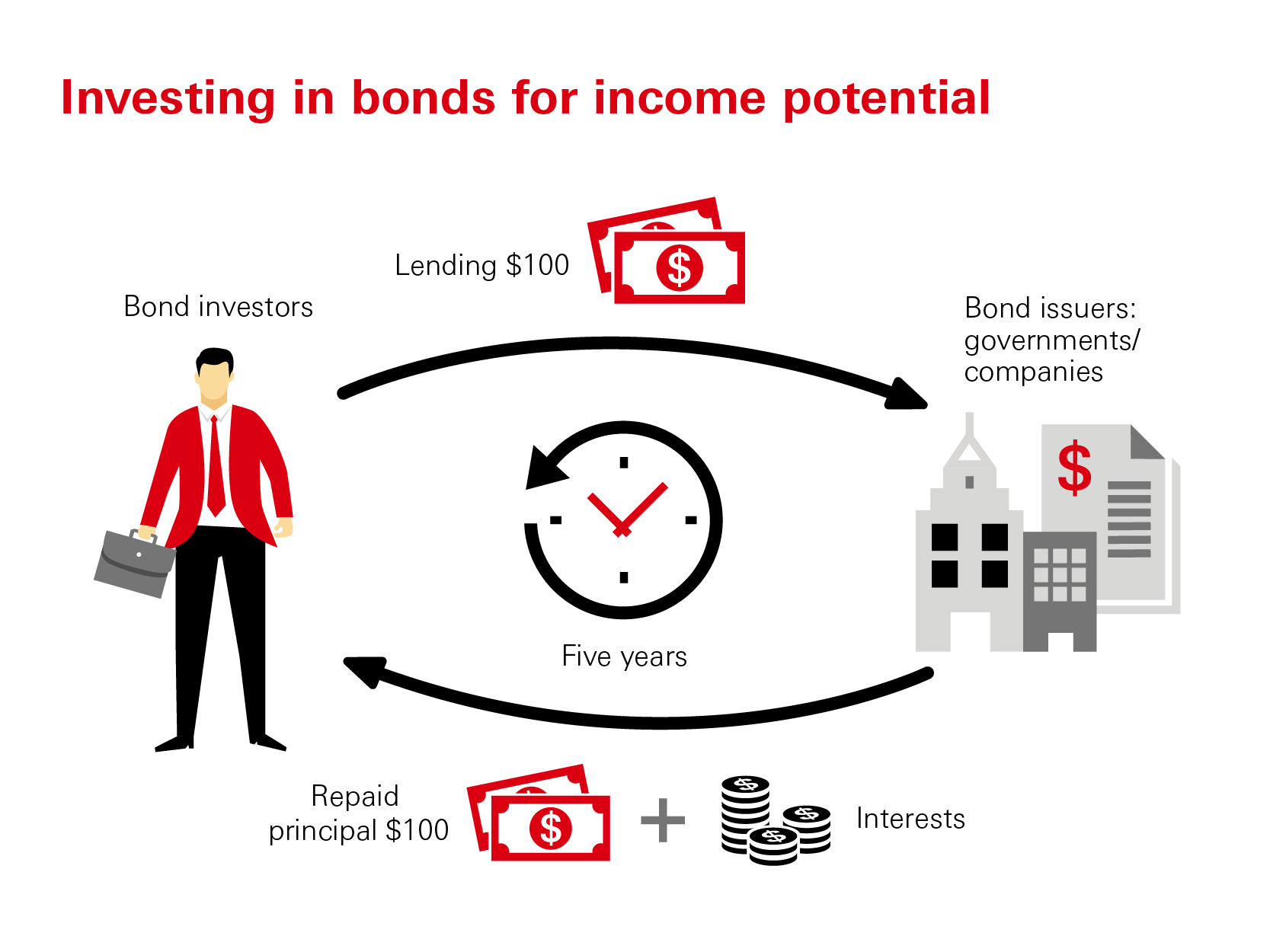
Image ALT Tags:
US Treasury bond certificate example
Government bond investment USA
Fixed income bond concept
Bond interest payment illustration
When you buy a bond, you are lending money.
For example:
Buying a U.S. Treasury bond means you are lending money to the U.S. government.
In return:
You receive regular interest payments
You get your principal back at maturity
Bonds are generally considered safer than stocks, but they usually grow more slowly.
Key Difference: Ownership vs Lending
| Feature | Stocks | Bonds |
|---|---|---|
| What you own | Part of a company | Loan agreement |
| Risk level | Higher | Lower |
| Return potential | Higher long-term | Moderate |
| Income | Dividends (not guaranteed) | Fixed interest payments |
| Price movement | More volatile | More stable |
Chart: Historical Average Returns
Investment Type        | Average Annual Return (Long-Term)
-------------------------------------------------------------
US Stocks (S&P 500)    | ~8–10%
US Treasury Bonds      | ~3–5%
Savings Account        | ~0.5–1%
Historical averages, not guaranteed future results.
For stock performance tracking, many investors follow the S&P 500.
Risk: What Beginner Investors Must Understand
Stocks can drop 20–30% during market corrections.
Bonds usually fall less during downturns.
Example:
During major market downturns, stock investors may panic and sell at losses. Bond investors usually see smaller declines.
But remember — higher risk often brings higher reward over long periods.
Real-Life US Example
Let’s say:
Emily, age 30, invests $10,000 in stocks.
Michael, age 60, invests $10,000 in bonds.
Emily:
Has 30+ years before retirement
Can handle ups and downs
Seeks long-term growth
Michael:
Is close to retirement
Wants stability
Prefers predictable income
Both choices are correct — for their situation.
When Stocks May Be Better
Stocks may suit you if:
You are young (20s–40s)
You have stable income
You can invest long-term (5+ years)
You can handle short-term market drops
You want higher growth
If you are just starting, read our detailed guide on “What Is Investing? A Beginner’s Guide for Americans” (Internal Link).
When Bonds May Be Better
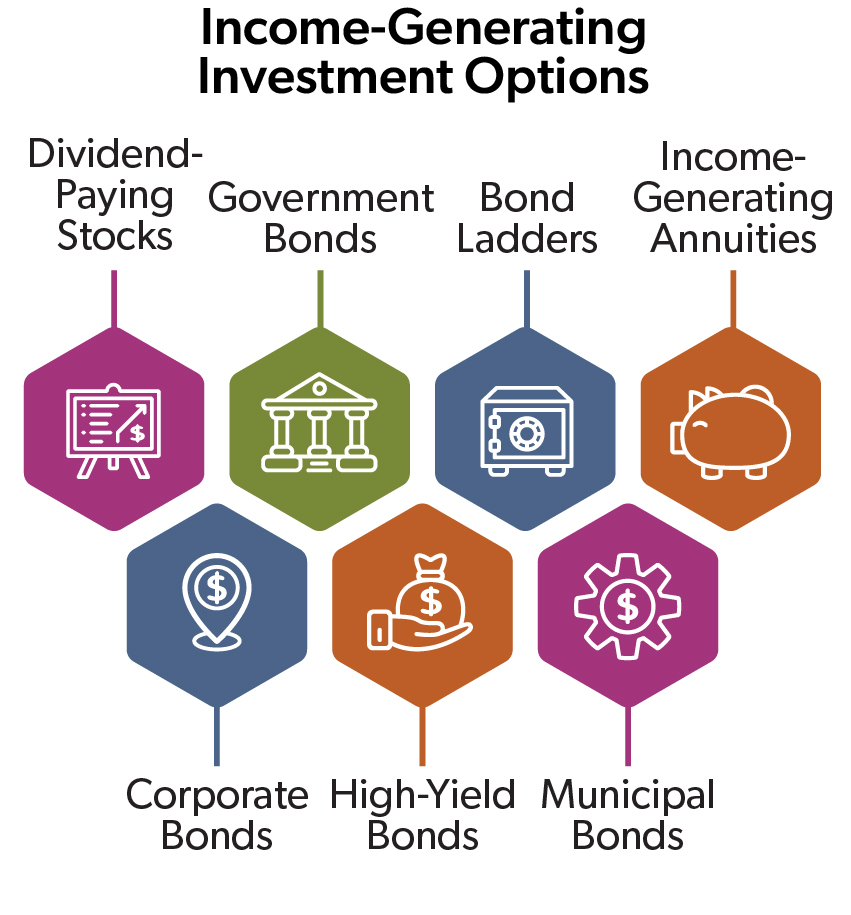
Bonds may suit you if:
You are near retirement
You need steady income
You dislike market volatility
You want capital preservation
Bonds reduce overall portfolio swings.
The Smart Answer: Why Not Both?


Diversified investment portfolio example
Asset allocation stocks and bonds pie chart
Retirement portfolio mix example
Financial planning discussion USA
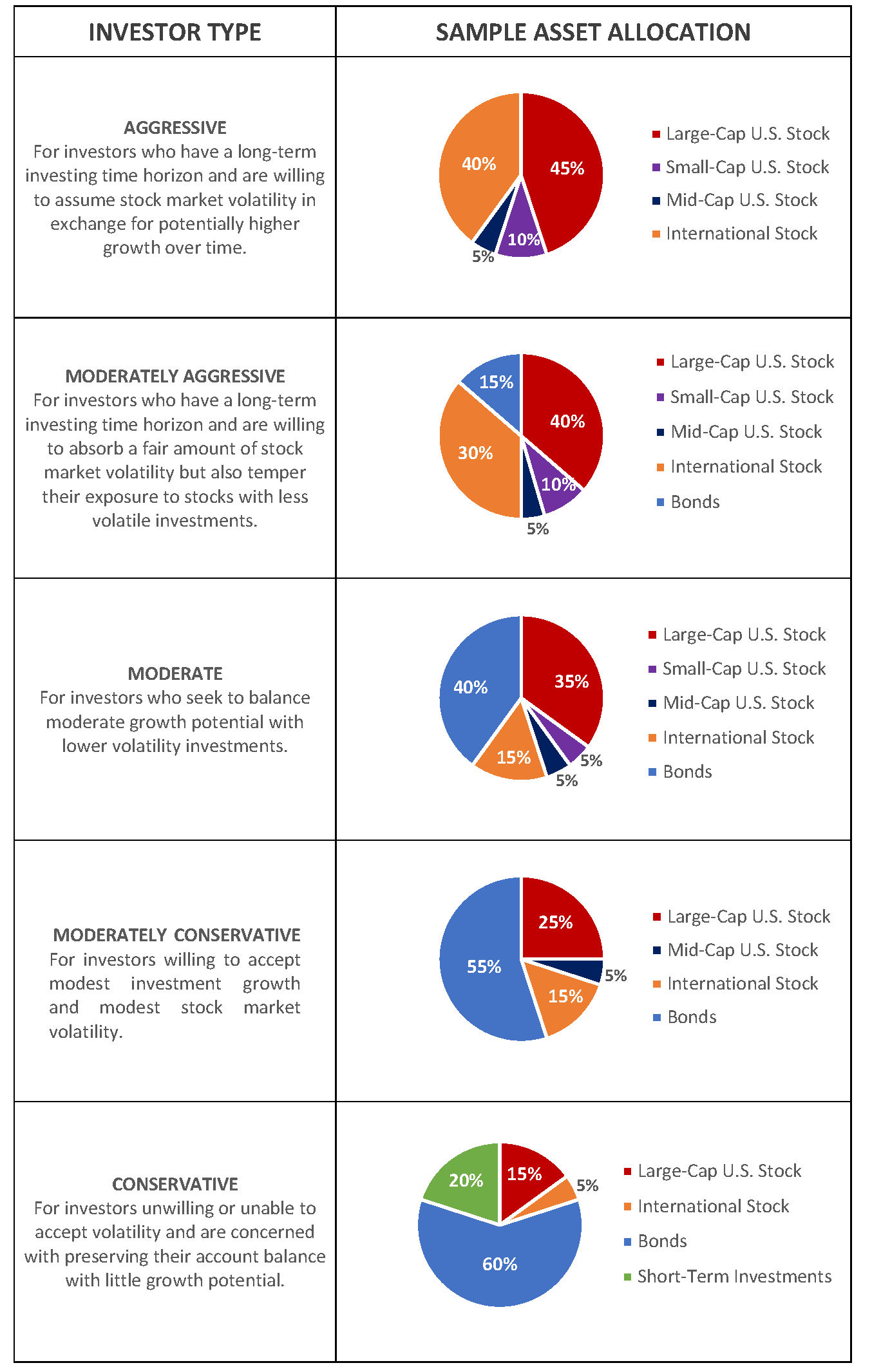
Most financial advisors recommend a mix of stocks and bonds. This is called asset allocation.
Simple beginner rule:
Younger investors: More stocks
Older investors: More bonds
Example allocation:
Age 30 → 80% stocks, 20% bonds
Age 50 → 60% stocks, 40% bonds
Age 65 → 40% stocks, 60% bonds
This balances growth and safety.
Simple Portfolio Flow Diagram
Start Investing
       ↓
Build Emergency Fund
       ↓
Contribute to 401(k)
       ↓
Choose Asset Allocation
       ↓
Invest in Stock ETFs
       ↓
Add Bond Funds for Stability
       ↓
Rebalance Every Year
If you haven’t built savings yet, first read our guide on “How to Build Emergency Savings in the USA” (Internal Link).
ETFs: The Beginner-Friendly Way
Instead of picking individual stocks or bonds, many beginners use ETFs.
For example:
Stock ETF tracking S&P 500
Bond ETF tracking US Treasury bonds
ETFs give instant diversification.
Taxes on Stocks vs Bonds
Stocks:
Capital gains tax when sold
Dividends taxed
Bonds:
Interest income taxed (except some municipal bonds)
Tax planning matters. To avoid errors, review our post on “Tax Mistakes Americans Make” (Internal Link).
Common Beginner Mistakes
Putting everything in one stock
Avoiding bonds completely
Panic selling during market drops
Ignoring fees
Trying to time the market
Long-term discipline matters more than perfect timing.
Risk vs Stability Visual Comparison
Market Ups & Downs

Stocks:  ↑↓↑↓↓↑↑↓ (High fluctuation)
Bonds:   ↑→↓→↑→↓  (Moderate movement)
Savings: →→→→→→   (Minimal change)
Official Educational Resources
Investor Education:
U.S. Securities and Exchange Commission – https://www.investor.gov
Financial Industry Regulatory Authority – https://www.finra.org
Market Data:
New York Stock Exchange – https://www.nyse.com
Educational Video:
FAQ
1. Are stocks better than bonds?
Not always. Stocks offer higher growth but higher risk. Bonds offer stability but lower growth.
2. Should beginners avoid stocks?
No. Young investors often benefit from stock exposure for long-term growth.
3. Can bonds lose money?
Yes, especially if interest rates rise. But usually less volatile than stocks.
4. What is a safe beginner strategy?
Diversified ETFs with both stock and bond exposure.
5. How often should I rebalance?
Once per year is generally sufficient.
Statutory Disclaimer
This article is for informational and educational purposes only. It does not constitute investment, financial, or tax advice. Investment markets involve risk, including loss of principal. Past performance does not guarantee future results. Please consult a licensed financial advisor before making investment decisions. moneysenseamerica.blogspot.com and the author are not responsible for financial decisions made based on this content.
Bibliography
U.S. Securities and Exchange Commission (SEC)
FINRA Investor Education Foundation
Federal Reserve Historical Data
S&P Dow Jones Indices Historical Reports
U.S. Department of the Treasury
Final Thoughts
Stocks grow wealth.
Bonds protect wealth.
For beginner American investors, the best approach is usually balance — not extremes.
Start small. Stay consistent. Think long-term.
If you want to build real financial confidence, explore more practical guides on moneysenseamerica.blogspot.com, including:
What Is Investing? A Beginner’s Guide for Americans
Tax Mistakes Americans Make
How to Build Emergency Savings in the USA
Your investing journey does not need to be complicated. It just needs to begin.


Comments
Post a Comment