Roth IRA vs Traditional IRA Explained: A Simple Guide for Beginner American Investors (2026)
Roth IRA vs Traditional IRA Explained: A Simple Guide for Beginner American Investors (2026)
Confused between Roth IRA and Traditional IRA? Learn the key differences, tax benefits, contribution rules, and which retirement account is best for beginner American investors.
Roth IRA vs Traditional IRA Explained for Beginner American Investors
Retirement planning is one of the most important financial decisions Americans make. Yet many beginners feel confused when they hear about Roth IRA and Traditional IRA.
Both are powerful retirement tools. Both offer tax advantages. But they work differently.
Understanding the difference can help you build long-term wealth and reduce taxes legally.
In this guide, we’ll explain everything in a simple and practical way so beginner American investors can clearly understand how these retirement accounts work.
What Is an IRA?
IRA stands for Individual Retirement Account.
It is a tax-advantaged investment account designed to help Americans save for retirement.
There are two main types:
Traditional IRA
Roth IRA
Both allow your investments to grow over time. But the tax treatment is different.
Before choosing an IRA, it helps to understand the basics of investing. If you’re new to investing, read our guide “What Is Investing for Beginner Americans” (Internal Link).
What Is a Traditional IRA?


Traditional IRA retirement planning concept
Reviewing retirement account paperwork USA
Retirement savings calculator example
Tax deduction retirement savings
A Traditional IRA allows you to contribute money before paying income taxes.
This means contributions may be tax-deductible depending on income and workplace retirement plan coverage.
How It Works
You contribute money to the IRA.
The contribution may reduce your taxable income.
Investments grow tax-deferred.
Taxes are paid when you withdraw in retirement.
Example:
John earns $70,000 per year and contributes $6,000 to a Traditional IRA.
His taxable income may drop to $64,000, reducing his tax bill.
But withdrawals during retirement are taxed as ordinary income.
What Is a Roth IRA?


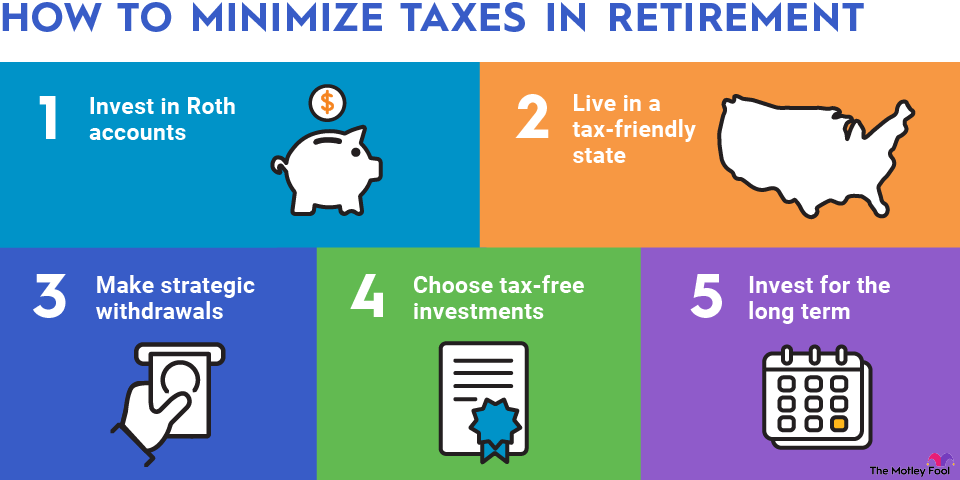
Roth IRA retirement account concept
Young investor planning retirement savings
Tax free retirement income illustration
Couple reviewing retirement plan
A Roth IRA works the opposite way.
You contribute money after paying taxes, but your withdrawals during retirement are tax-free.
How It Works
You contribute after-tax income.
Investments grow tax-free.
Qualified withdrawals are tax-free in retirement.
Example:
Emily contributes $6,000 to her Roth IRA.
She pays taxes today, but future withdrawals—including investment gains—are tax-free.
Key Differences Between Roth IRA and Traditional IRA
| Feature | Traditional IRA | Roth IRA |
|---|---|---|
| Tax on contributions | Usually tax-deductible | No deduction |
| Tax on withdrawals | Taxed in retirement | Tax-free in retirement |
| Income limits | No limit for contribution eligibility | Income limits apply |
| Required withdrawals | Required Minimum Distributions (RMDs) | No RMDs during owner’s lifetime |
| Best for | People expecting lower tax rate later | People expecting higher tax rate later |
Understanding these differences helps beginners choose the right retirement strategy.
Contribution Limits (2026 Example)
The Internal Revenue Service sets IRA contribution limits.
Typical annual limits:
| Age | Contribution Limit |
|---|---|
| Under 50 | $7,000 |
| Age 50+ | $8,000 (includes catch-up contribution) |
Limits may change annually, so always check IRS updates.
Chart: Tax Timing Comparison
Traditional IRA
Contribute → Tax Deduction Today
Investments Grow → Tax Deferred
Withdraw in Retirement → Pay Taxes

Roth IRA
Contribute → Pay Taxes Today
Investments Grow → Tax Free
Withdraw in Retirement → No Taxes
Who Should Choose a Traditional IRA?
Traditional IRA may be better if:
Your current tax rate is high
You expect lower income in retirement
You want tax deductions today
Example:
Michael earns $120,000 annually and wants to reduce his taxable income.
A Traditional IRA may help him save taxes now.
Who Should Choose a Roth IRA?
Roth IRA may be better if:
You are young and early in your career
Your tax bracket may increase later
You want tax-free retirement income
Example:
Sarah is 28 and earns $55,000 annually.
Her tax rate may rise over time, making Roth IRA beneficial.
Investment Options Inside an IRA
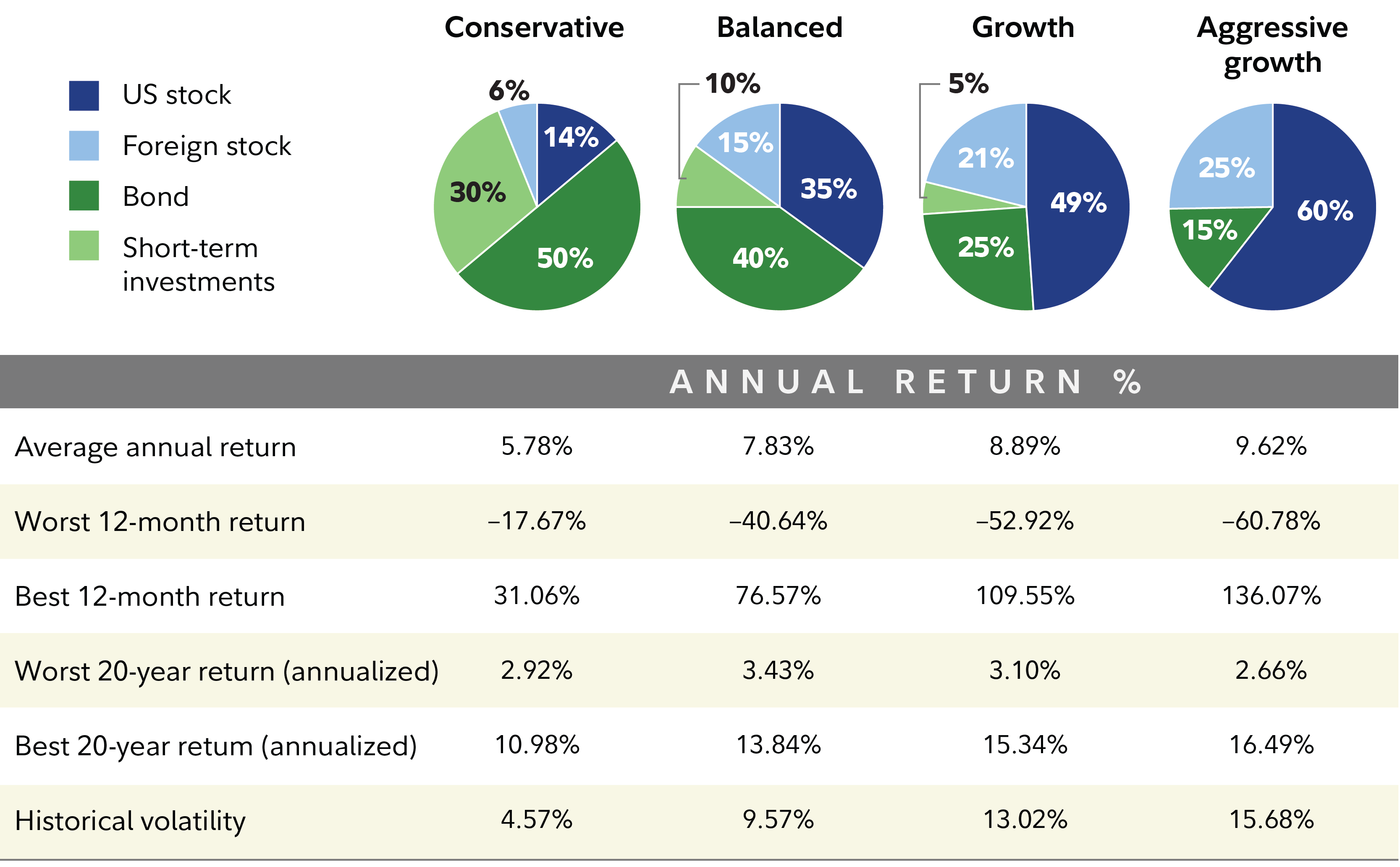

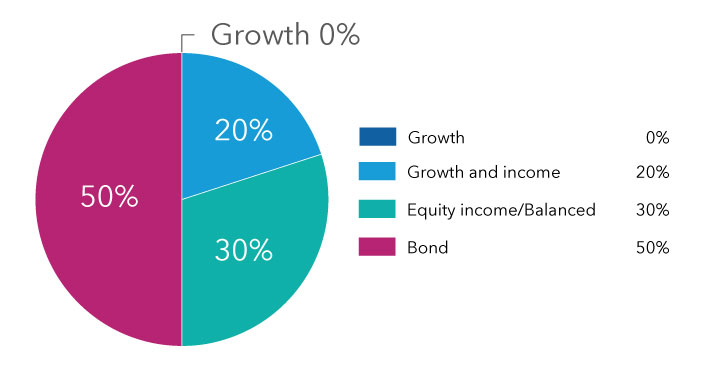

Diversified retirement investment portfolio
S&P 500 index investing concept
Retirement stock bond allocation chart
ETF retirement portfolio strategy
Both Roth and Traditional IRAs allow you to invest in:
Stocks
Bonds
Many investors choose index funds tracking the S&P 500 for long-term growth.
If you want to understand ETFs better, read our post “What Is ETF and How It Works” (Internal Link).
Example: Long-Term Growth Scenario
Monthly Contribution: $300
Average Annual Return: 7%
Investment Period: 30 Years

Estimated Portfolio Value: $365,000+
If invested through a Roth IRA, the entire amount could be tax-free at retirement.
This shows the power of compounding.
Simple Retirement Planning Flow
Build Emergency Savings
        ↓
Pay High Interest Debt
        ↓
Contribute to Employer 401(k)
        ↓
Open IRA (Roth or Traditional)
        ↓
Invest in Diversified Funds
        ↓
Reinvest Dividends
        ↓
Stay Invested Long-Term
Before investing, ensure financial stability. Read our article “How to Build Emergency Savings in the USA” (Internal Link).
Common Beginner Mistakes
Many Americans make simple retirement mistakes:
Waiting too long to start investing
Ignoring employer retirement plans
Withdrawing early from IRA accounts
Not understanding tax rules
To avoid costly tax errors, read our guide “Tax Mistakes Americans Make” (Internal Link).
Educational Resources
Investor education tools:
U.S. Securities and Exchange Commission
https://www.investor.govFinancial Industry Regulatory Authority
https://www.finra.org
Market information:
New York Stock Exchange
https://www.nyse.com
Reference Video:
“Roth IRA vs Traditional IRA Explained”
https://www.youtube.com/watch?v=example-roth-vs-traditional
FAQ
What is the main difference between Roth IRA and Traditional IRA?
Traditional IRA provides tax deduction now but taxes withdrawals later. Roth IRA is taxed now but withdrawals are tax-free.
Can I have both Roth and Traditional IRA?
Yes. Many investors use both to diversify tax strategies.
Can I withdraw money from my IRA early?
Yes, but early withdrawals before age 59½ may trigger taxes and penalties.
Which IRA is better for young investors?
Many young investors prefer Roth IRA because tax-free retirement growth can be powerful over decades.
Can I invest in stocks inside an IRA?
Yes. IRAs allow investment in stocks, bonds, ETFs, and mutual funds.
Statutory Disclaimer
This article is for informational and educational purposes only and does not constitute financial, investment, or tax advice. Investment decisions involve risks, including possible loss of principal. Tax rules may change over time. Readers should consult a licensed financial advisor or tax professional before making financial decisions. moneysenseamerica.blogspot.com and the author are not responsible for financial actions taken based on this content.
Bibliography
Internal Revenue Service (IRS) Publications
U.S. Securities and Exchange Commission (SEC)
FINRA Investor Education Foundation
Federal Reserve Financial Education Resources
Investment Company Institute Reports
Final Thoughts
Both Roth IRA and Traditional IRA are powerful retirement tools available to American investors.
The best choice depends on your tax situation today and expectations for the future.
The most important step is simply starting early and investing consistently.
Over time, compound growth can transform small contributions into meaningful retirement wealth.
To continue improving your financial knowledge, explore other guides on moneysenseamerica.blogspot.com, including:
What Is Investing for Beginner Americans
What Is ETF and How It Works
Mutual Funds for Beginner American Investors Explained
Stocks vs Bonds for Beginner Investors
Start today, stay consistent, and let time work in your favor.


Comments
Post a Comment