Retirement Planning for Americans: A Simple Step-by-Step Guide to Build Your Retirement Fund in the U.S.
Retirement Planning for Americans: A Simple Step-by-Step Guide to Build Your Retirement Fund in the U.S.
Description
Learn retirement planning basics for Americans. Understand 401(k), IRA, Social Security, retirement savings strategies, and practical examples to build a secure retirement in the United States.
Retirement Planning for Americans
(A Practical Beginner’s Guide for U.S. Citizens)
Retirement planning is one of the most important financial steps for every American. It means preparing today so you can live comfortably when you stop working.
Many people think retirement planning is complicated, but the core idea is simple:
Save and invest consistently during your working years so your money can support you later in life.
In the United States, retirement planning usually involves a mix of:
Employer retirement plans like 401(k)
Individual retirement accounts (IRAs)
Social Security benefits
Personal savings and investments
This guide explains retirement planning in plain language with real U.S. examples so you can understand how to start and build a retirement fund.
Why Retirement Planning Matters
Americans are living longer than ever before. According to data from the Social Security Administration, many retirees may live 20–30 years after leaving work.
Without proper planning, retirement savings may not last long enough.
For example:
If a retiree spends $4,000 per month, yearly expenses would be:
$4,000 × 12 = $48,000 per year
If retirement lasts 25 years:
$48,000 × 25 = $1,200,000
This means a person may need over $1 million to maintain a similar lifestyle.
That is why early retirement planning is essential.
Image: Retirement Planning Concept


Images:
retirement planning savings concept for Americans
couple planning retirement finances in the USA
retirement investment strategy financial planning chart
401k retirement savings concept with coins and clock
Major Sources of Retirement Income in the U.S.
Most American retirees depend on three major income sources.
1. Social Security Benefits
Social Security is a government program that provides monthly income after retirement.
Benefits depend on:
Work history
Earnings during career
Retirement age
Many Americans start claiming benefits at age 62, but full retirement age is typically 66–67 depending on birth year.
Average Social Security payments are roughly $1,800–$2,000 per month, although the exact amount varies.
2. Employer Retirement Plans (401k)
Many companies offer 401(k) retirement plans where employees save money from their salary.
Key benefits:
Tax advantages
Automatic payroll savings
Example:
If an employee earns $70,000 per year and contributes 10%:
$70,000 × 10% = $7,000 yearly contribution
If the employer matches 4%, that adds:
$70,000 × 4% = $2,800 extra
Total yearly retirement savings becomes $9,800.
Over time, compound growth can turn this into a large retirement fund.
3. Individual Retirement Accounts (IRA)
Many Americans also invest through:
Traditional IRA
Traditional IRA
Contributions may reduce taxable income
Taxes paid when withdrawing in retirement
Roth IRA
Contributions made with after-tax money
Withdrawals are tax-free in retirement
These accounts give individuals additional flexibility beyond employer plans.
Chart: Retirement Income Sources
| Source | Description | Typical Share |
|---|---|---|
| Social Security | Government retirement benefits | 30–40% |
| Employer Retirement Plans | 401(k) or pension savings | 30–40% |
| Personal Investments | Savings, stocks, real estate | 20–30% |
A balanced retirement strategy usually includes all three.
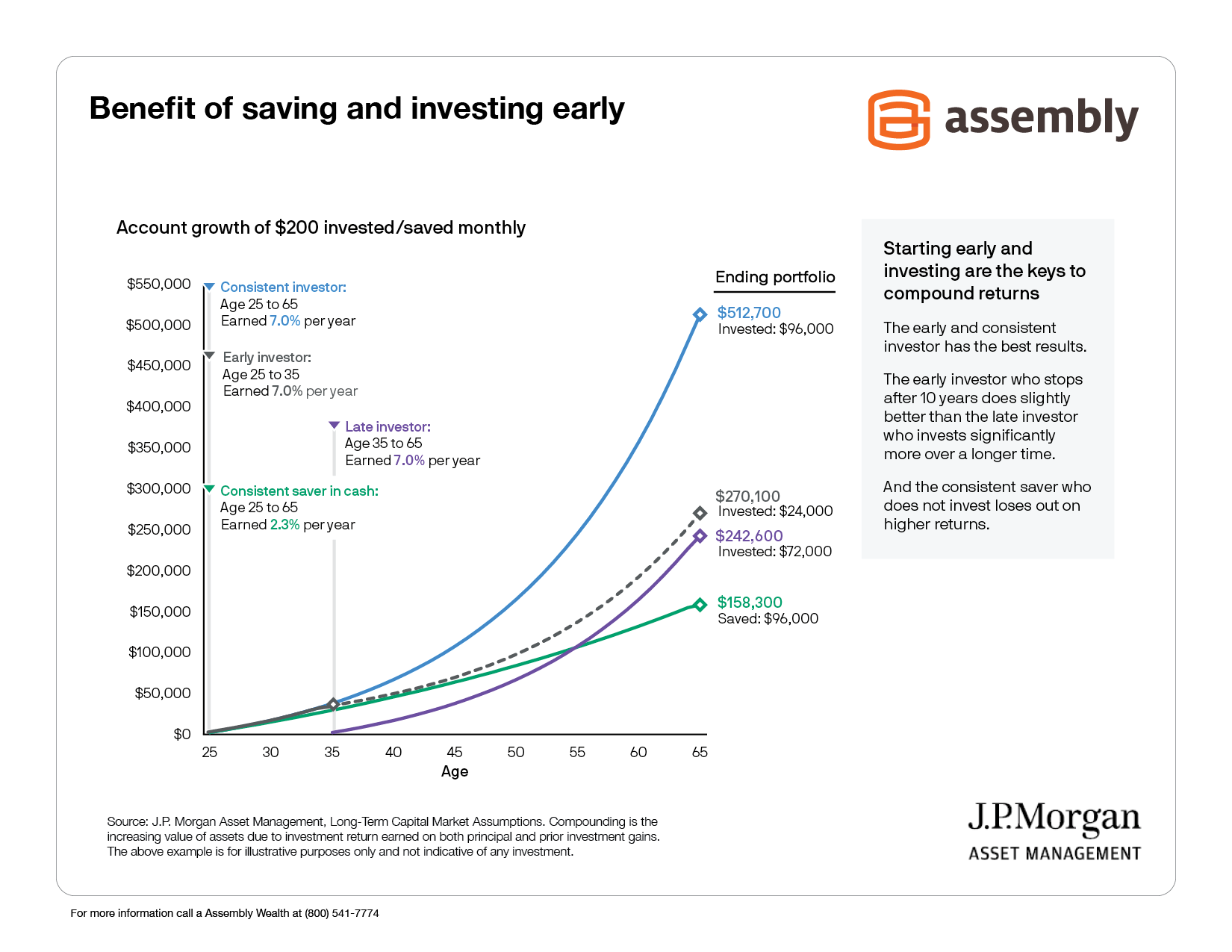
Image: Retirement Savings Growth


Images:
retirement savings growth compound interest chart
long term retirement investment growth concept
retirement fund growth financial planning illustration
financial independence retirement savings chart
How Compound Interest Helps Retirement Savings
Compound interest allows savings to grow faster over time.
Example:
If someone invests $500 per month starting at age 30 with an average 7% annual return:
After 30 years the retirement savings could reach roughly:
$500 monthly investment ≈ $600,000+ by age 60
Starting early makes a huge difference.
Someone who starts saving at age 45 instead of 30 may accumulate much less, even if they invest the same monthly amount.
Simple Retirement Planning Strategy
A practical approach for many Americans is the “50-30-20 savings rule.”
Income distribution example:
| Category | Percentage |
|---|---|
| Living expenses | 50% |
| Lifestyle spending | 30% |
| Savings & investments | 20% |
Part of that 20% savings portion should go toward retirement accounts.
Diagram: Basic Retirement Planning Process
Income Earned
      ↓
Savings Allocated
      ↓
Retirement Accounts
(401k / IRA / Investments)
      ↓
Compound Growth Over Time
      ↓
Monthly Retirement Income
This shows how long-term saving leads to retirement security.
How Much Should Americans Save for Retirement?
Financial planners often suggest saving 10%–15% of annual income.
Example:
If someone earns $80,000 per year:
$80,000 × 15% = $12,000 yearly retirement savings
Over a 30-year career, this consistent saving can build a large retirement fund.
Retirement Planning Mistakes to Avoid
Many Americans make common mistakes when planning retirement.
Starting Too Late
The biggest advantage in retirement planning is time.
Not Using Employer Match
Employer matching in a 401(k) is essentially free money.
Ignoring Inflation
Inflation increases living costs over time.
Lack of Diversification
Investments should include a mix of:
Stocks
Bonds
Retirement funds
Real estate (optional)
Useful Educational Video
You can watch this beginner-friendly retirement planning guide:
YouTube Reference Video
https://www.youtube.com/watch?v=DMHMOQ_054U
Topics covered in the video:
Retirement savings basics
401(k) strategies
Long-term investing principles
Suggested internal links for further studies:
Beginner Guide to Investing in the U.S.
https://moneysenseamerica.blogspot.com/search/label/investing
Passive Income Ideas for Americans
https://moneysenseamerica.blogspot.com/search/label/passive-income
Personal Budgeting Tips for Americans
https://moneysenseamerica.blogspot.com/search/label/budgeting
Internal linking improves SEO and helps readers explore related financial topics.
FAQ: Retirement Planning for Americans
When should I start retirement planning?
Ideally in your 20s or early 30s. Starting early allows compound interest to grow your savings.
How much retirement money do I need?
Many experts suggest saving 10–12 times your annual salary before retirement.
Is Social Security enough for retirement?
For most people, Social Security alone is not enough to maintain their lifestyle.
What is the best retirement account?
Many Americans combine 401(k) and Roth IRA for tax diversification.
Can I retire early?
Yes, but early retirement requires larger savings and careful financial planning.
Statutory Disclaimer
This article is for educational and informational purposes only. It does not constitute financial, investment, tax, or legal advice. Retirement planning strategies vary depending on individual circumstances. Readers should consult a qualified financial advisor, tax professional, or retirement planner before making financial decisions.
Bibliography / References
Social Security Administration
https://www.ssa.govIRS Retirement Plans Information
https://www.irs.gov/retirement-plansU.S. Department of Labor – Retirement Planning Guide
https://www.dol.govInvestopedia – Retirement Planning Basics
https://www.investopedia.com
Final Thoughts
Retirement planning is not just about saving money. It is about building financial security for the future.
By combining Social Security benefits, retirement accounts like 401(k) and IRAs, and smart investing, Americans can create a strong financial foundation for their later years.
The most important step is starting early and saving consistently. Even small contributions made regularly can grow into a substantial retirement fund over time.
With proper planning, retirement can become a period of freedom, stability, and financial peace.


Comments
Post a Comment