How Much Should Beginner American Investors Invest Monthly? A Simple 2026 Guide
How Much Should Beginner American Investors Invest Monthly? A Simple 2026 Guide
Wondering how much to invest every month? Learn practical investing rules, real US examples, and simple strategies for beginner American investors.
One of the most common questions new investors ask is:
“How much money should I invest every month?”
Some people think investing requires thousands of dollars. Others wait until they feel financially perfect before starting.
But the truth is much simpler.
You do not need a large amount of money to begin investing. What matters most is consistency and time.
In this guide, we will explain how beginner American investors can decide how much to invest monthly using simple examples and practical rules.
Why Monthly Investing Is Powerful



Monthly investing planning concept USA
Beginner investor reviewing portfolio on laptop
Investment growth chart from monthly contributions
Budget planning for investing
Investing monthly is powerful because it builds discipline and long-term growth.
Instead of trying to predict the perfect time to invest, you contribute regularly.
This approach is known as dollar-cost averaging.
It helps reduce the risk of investing everything at the wrong time.
If you are new to investing, start with our guide “What Is Investing for Beginner Americans” (Internal Link).
The 50-30-20 Rule for Investing
A simple budgeting rule many Americans use is the 50-30-20 rule.
| Category | Percentage of Income |
|---|---|
| Needs | 50% |
| Wants | 30% |
| Savings & Investing | 20% |
This means around 20% of your income can go toward savings and investments.
For beginners, even 10% is a good starting point.
Example: Monthly Investment Based on Income
Here are simple examples using typical US salaries.
| Annual Salary | Monthly Investment (10%) |
|---|---|
| $40,000 | $333 |
| $60,000 | $500 |
| $80,000 | $666 |
| $100,000 | $833 |
The exact amount depends on your lifestyle and expenses.
But consistency matters more than the number itself.
Chart: How Monthly Investing Grows Over Time
Monthly Investment: $300
Average Annual Return: 7%

10 Years → $51,000
20 Years → $156,000
30 Years → $366,000
Even small monthly contributions can grow into significant wealth over decades.
Start Small If Needed
Many beginner investors worry they cannot afford to invest.
But starting small still builds a powerful habit.
Examples of beginner monthly investments:
| Investment Level | Monthly Amount |
|---|---|
| Beginner | $50 |
| Moderate | $200 |
| Aggressive | $500+ |
Even $50 per month invested for 30 years can grow significantly with compound returns.
Where Should Beginners Invest Monthly?


Diversified portfolio example USA
ETF investment performance chart
Mutual fund retirement planning concept
Long term investing growth chart
Monthly investments should usually go into diversified assets such as:
Retirement accounts
Many beginner investors invest in index funds tracking the S&P 500.
If you want to understand ETFs better, read our article “What Is ETF and How It Works” (Internal Link).
Retirement Accounts to Use First
Before investing in a taxable brokerage account, many Americans use tax-advantaged retirement accounts.
401(k)
If your employer offers a 401(k), contributing enough to receive the employer match is usually the first step.
Learn more in “401(k) Explained Simply for Beginner Investors” (Internal Link).
IRA
Individual Retirement Accounts also offer tax advantages.
Examples include:
To understand the difference, read “Roth IRA vs Traditional IRA Explained” (Internal Link).
Simple Monthly Investment Strategy
Step 1: Build Emergency Savings
        ↓
Step 2: Pay High Interest Debt
        ↓
Step 3: Contribute to 401(k) (Employer Match)
        ↓
Step 4: Invest Monthly in Index Funds
        ↓
Step 5: Increase Contributions Over Time
Before investing, make sure you have an emergency fund. Read our guide “How to Build Emergency Savings in the USA” (Internal Link).
Real US Example
Let’s look at a realistic example.
David earns $70,000 per year in Texas.
He decides to invest:
$300 monthly into a Roth IRA
$200 monthly into a brokerage ETF account
Total monthly investment = $500
Assuming a 7% annual return, after 30 years his portfolio could grow to over $600,000.
This shows the power of steady investing.
How to Increase Investments Over Time
Many Americans increase their investment contributions gradually.
Simple strategies include:
Increasing contributions after salary raises
Automating monthly deposits
Reinvesting dividends
Small increases each year can significantly improve long-term results.
Common Beginner Mistakes
Many new investors make simple mistakes when deciding how much to invest.
Waiting too long to start
Time is the most valuable investing advantage.
Investing without emergency savings
Unexpected expenses may force early withdrawals.
Investing too aggressively too quickly
Start with a comfortable amount.
Trying to time the market
Regular monthly investing is usually better.
Risk and Diversification
Investing always involves risk.
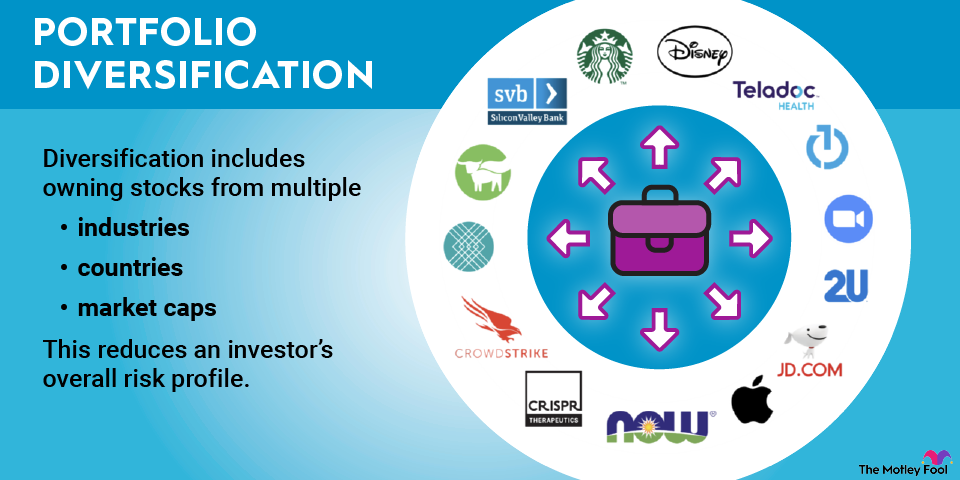
Diversification reduces risk by spreading investments across many assets.
Examples include:
Stock ETFs
Bond funds
Balanced portfolios
Understanding risk is important. Read our article “Stocks vs Bonds for Beginner Investors” (Internal Link).
Educational Resources
Trusted educational resources include:
U.S. Securities and Exchange Commission
https://www.investor.govFinancial Industry Regulatory Authority
https://www.finra.org
Market information from
New York Stock Exchange
https://www.nyse.com
Reference Video
“How Much Should You Invest Monthly?”
https://www.youtube.com/watch?v=example-monthly-investing
FAQ
How much should beginners invest monthly?
Many financial experts recommend investing 10–20% of income, but beginners can start with smaller amounts.
Is $100 per month enough to invest?
Yes. Consistent investing is more important than the amount.
Should I invest monthly or yearly?
Monthly investing helps smooth market fluctuations and builds discipline.
What if I cannot invest 20% of my income?
Start with what you can afford and increase gradually.
Is investing risky?
Yes. All investments carry risk, but diversification and long-term investing can reduce risk.
Statutory Disclaimer
This article is for informational and educational purposes only and does not constitute financial, investment, or tax advice. Investments involve risks, including possible loss of principal. Financial circumstances vary among individuals. Readers should consult a licensed financial advisor before making investment decisions. moneysenseamerica.blogspot.com and the author are not responsible for financial decisions made based on this information.
Bibliography
U.S. Securities and Exchange Commission Investor Education
FINRA Investor Education Foundation
Federal Reserve Personal Finance Resources
Investment Company Institute Research
S&P Dow Jones Indices Historical Data
Final Thoughts
The perfect monthly investment amount does not exist.
What matters most is:
starting early
investing consistently
staying patient
Even modest monthly investments can grow into meaningful wealth over time.
For more practical personal finance guidance, explore other guides on moneysenseamerica.blogspot.com, including:
What Is Investing for Beginner Americans
What Is ETF and How It Works
Roth IRA vs Traditional IRA Explained
Start with what you can afford today. Your future self will thank you.


Comments
Post a Comment