How Much Money Do Americans Need to Retire in 2026 ? A Practical Retirement Savings Guide for the U.S.
How Much Money Do Americans Need to Retire in 2026 ? A Practical Retirement Savings Guide for the U.S.
Description
Discover how much money Americans need to retire comfortably. Learn retirement savings formulas, real examples, charts, and practical strategies for U.S. retirement planning.
How Much Money Do Americans Need to Retire?
(A Simple Practical Guide for U.S. Citizens)
Retirement is one of the most important financial milestones in life. Many Americans ask a common question:
“How much money do I actually need to retire comfortably?”
The answer depends on several factors such as lifestyle, healthcare costs, inflation, and retirement age. However, financial planners have developed some simple rules and formulas that can help estimate the required retirement savings.
In this guide, we will explain retirement savings needs in simple terms using real U.S. examples, charts, and practical calculations.
Why Retirement Planning Matters
Americans are living longer today. According to the Social Security Administration, many retirees may live 20 to 30 years after retirement.
That means retirement savings must support decades of living expenses.
For example:
If someone spends $5,000 per month, yearly expenses would be:
$5,000 × 12 = $60,000 per year
If retirement lasts 25 years:
$60,000 × 25 = $1,500,000
This simple calculation shows why many Americans aim to build a retirement fund of $1 million or more.
Retirement Savings Goal Concept


Images:
retirement savings goal concept for Americans
couple calculating retirement savings in USA
retirement nest egg financial planning concept
retirement planning target savings illustration
The 4% Rule: Popular Retirement Formula
One of the most widely used retirement planning rules in the United States is the 4% rule.
The rule suggests:
You can withdraw about 4% of your retirement savings per year without running out of money for about 30 years.
Example Calculation
If a retiree needs $40,000 per year to live:
$40,000 ÷ 0.04 = $1,000,000
That means the person would need about $1 million saved for retirement.
This rule provides a simple starting point for estimating retirement savings.
Chart: Retirement Savings Needed by Annual Spending
| Annual Retirement Spending | Estimated Savings Needed |
|---|---|
| $40,000 | $1,000,000 |
| $50,000 | $1,250,000 |
| $60,000 | $1,500,000 |
| $80,000 | $2,000,000 |
These estimates assume a 4% withdrawal strategy.
Image: Retirement Savings Growth Chart


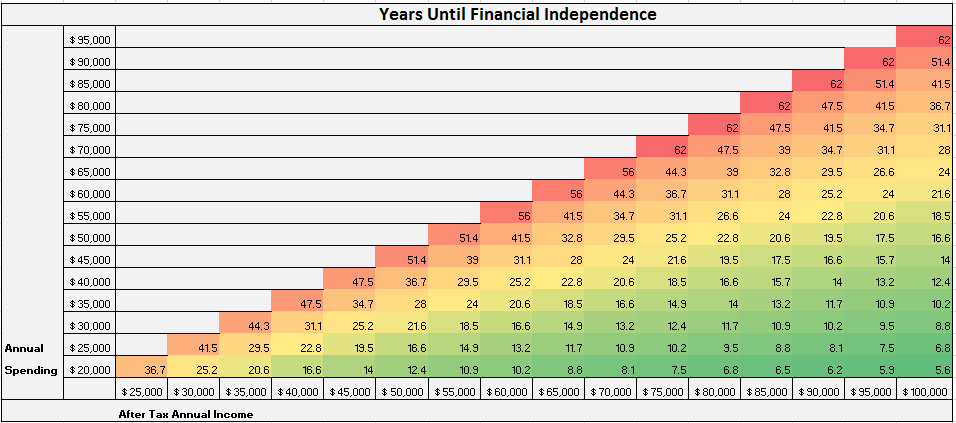
Images:
retirement savings compound interest growth chart
financial independence retirement savings graph
retirement fund investment growth concept
compound interest retirement planning chart
Major Factors That Affect Retirement Needs
Several important factors determine how much money Americans need to retire.
1. Retirement Age
The earlier you retire, the more savings you need.
Example:
| Retirement Age | Estimated Retirement Duration |
|---|---|
| 60 | 30 years |
| 65 | 25 years |
| 70 | 20 years |
Later retirement means fewer years your savings must support.
2. Lifestyle Expenses
Retirement costs vary based on lifestyle.
Typical monthly expenses may include:
Housing
Groceries
Healthcare
Travel
Insurance
Utilities
Example monthly budget:
| Expense | Monthly Cost |
|---|---|
| Housing | $1,800 |
| Food | $700 |
| Healthcare | $600 |
| Utilities | $300 |
| Travel & lifestyle | $600 |
Total monthly spending:
$4,000 per month
Annual expenses:
$4,000 × 12 = $48,000
Using the 4% rule, retirement savings needed:
$48,000 ÷ 0.04 = $1,200,000
Diagram: Retirement Income Sources
Retirement Income
       ↓
Social Security Benefits
       ↓
401(k) and IRA Savings
       ↓
Personal Investments
       ↓
Rental / Passive Income
       ↓
Total Retirement Income
Most Americans rely on multiple income sources during retirement.
Role of Social Security in Retirement
Social Security provides a base level of retirement income.
Average monthly benefits for retirees are roughly $1,800–$2,000.
Annual benefit estimate:
$1,900 × 12 = $22,800 per year
This means Social Security may cover part of retirement expenses but usually not all living costs.
That is why personal savings remain essential.
How Americans Can Build Retirement Savings
Several tools help Americans grow retirement funds.
1. 401(k) Retirement Plans
Employer-sponsored retirement plans allow workers to save pre-tax income.
Many employers also offer matching contributions.
Example:
Salary: $75,000
Employee contribution (10%):
$75,000 × 10% = $7,500
Employer match (4%):
$75,000 × 4% = $3,000
Total yearly retirement savings:
$10,500 per year
2. Individual Retirement Accounts (IRA)
Americans can also invest through:
Benefits include:
Tax advantages
Long-term investment growth
Flexible retirement planning
3. Personal Investments
Additional retirement income may come from:
Real estate investments
Bonds
Diversifying retirement income sources helps reduce financial risk.
Example: Realistic Retirement Plan for a U.S. Worker
Consider Sarah, age 30.
She saves:
$600 per month
Assuming a 7% average annual return, after 35 years her retirement savings could reach approximately:
$900,000 – $1,000,000
If Social Security provides about $22,000 per year, she may have a comfortable retirement income.
Starting early makes a major difference.
Common Retirement Planning Mistakes
Many Americans underestimate retirement needs.
Starting Too Late
Time is the biggest advantage in investing.
Not Saving Enough
Small contributions may not grow large enough.
Ignoring Inflation
Prices increase over time, reducing purchasing power.
No Emergency Savings
Unexpected healthcare expenses can affect retirement budgets.
Educational Video Resource
Beginner-friendly explanation of retirement savings:
https://www.youtube.com/watch?v=DMHMOQ_054U
The video explains:
Retirement savings strategies
How much to save
Investment basics for retirement
Internal Linking for further studies:
Readers may also explore these related posts on the blog:
Retirement Planning for Americans
https://moneysenseamerica.blogspot.com/search/label/retirement
Dividend Investing Explained
https://moneysenseamerica.blogspot.com/search/label/investing
Passive Income Ideas for Americans
https://moneysenseamerica.blogspot.com/search/label/passive-income
These topics complement retirement planning strategies.
FAQ: Retirement Savings for Americans
Is $1 million enough to retire in the U.S.?
For many people it can be sufficient, especially if Social Security covers part of expenses. However, lifestyle and location matter.
What is the average retirement savings in the U.S.?
According to financial surveys, many Americans have between $200,000 and $500,000 saved for retirement.
When should I start saving for retirement?
Ideally in your 20s or early 30s to maximize compound interest.
Can I retire early?
Yes, but early retirement requires higher savings and careful financial planning.
What is the safest retirement investment?
Many experts recommend diversified portfolios including index funds, bonds, and retirement funds.
Statutory Disclaimer
This article is intended for educational and informational purposes only and does not constitute financial, investment, tax, or legal advice. Retirement needs vary depending on personal circumstances, lifestyle, and economic conditions. Readers should consult a qualified financial advisor, tax professional, or retirement planner before making financial decisions.
Bibliography / References
Social Security Administration
https://www.ssa.govIRS Retirement Plans Information
https://www.irs.gov/retirement-plansU.S. Department of Labor Retirement Guide
https://www.dol.govInvestopedia – Retirement Savings Guide
https://www.investopedia.com
Final Thoughts
Retirement planning is about preparing financially for the future. While the exact amount needed varies, many Americans aim for $1 million to $2 million in retirement savings depending on lifestyle.
By combining Social Security benefits, retirement accounts like 401(k) and IRAs, and smart investing, individuals can build a strong financial foundation for their retirement years.
The most important step is simple:
Start saving early, stay consistent, and allow time for your investments to grow.
With proper planning, retirement can become a time of financial security, independence, and peace of mind.


Comments
Post a Comment