Dividend Investing in the US Explained: Simple, Practical Guide for American Investors ( 2026 Updated )

Dividend Investing in the US Explained: Simple, Practical Guide for American Investors
Description
A plain-English guide to dividend investing for U.S. investors — what dividends are, how taxes work, safe ways to build income, a step-by-step checklist, charts, FAQs, and trusted resources. Easy examples and tax notes included.
Key entities (quick reference)
United States
Internal Revenue Service
Vanguard
S&P Global
Introduction — why dividends matter (short)
Dividend investing means owning stocks (or funds) that pay a portion of company profits regularly. For many U.S. investors, dividends add cash flow, reduce the need to sell shares in a down market, and can accelerate compounding when reinvested. This guide shows how dividend investing works in plain language, with U.S.-specific tax notes, simple examples, and a practical checklist you can use today.
1) What is a dividend — the basics
A dividend is a payment a company makes to shareholders from its earnings. Companies may pay regular quarterly dividends or occasional special dividends. Public agencies for investors define dividends as a slice of profit paid to owners; timing and amounts depend on company policy. (Investor)
Key calendar dates:
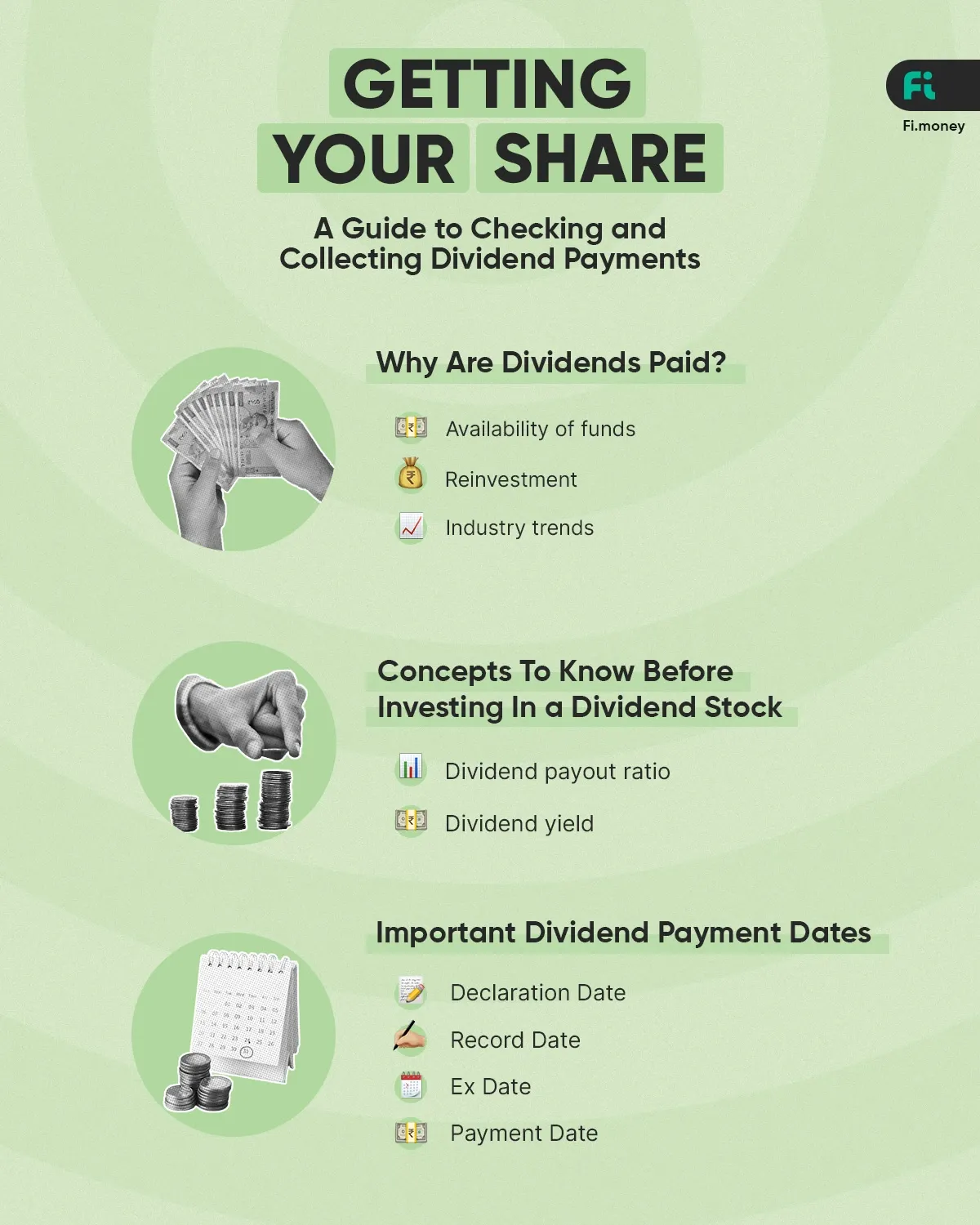
Declaration date — company announces the dividend and amounts.
Record date — who is on record to receive the dividend.
Ex-dividend date — buy on or after this date, and you won’t get the next dividend. (If you buy before ex-dividend, you are eligible.) (Investor)
2) Qualified vs. ordinary (non-qualified) dividends — why tax rules matter
Dividends in the U.S. are reported on Form 1099-DIV and fall into two buckets:
Qualified dividends — taxed at lower long-term capital-gain rates (0%, 15%, or 20% depending on income). To qualify, the dividend generally must come from a U.S. corporation (or qualified foreign corporation) and you must meet a holding-period test.
Ordinary (non-qualified) dividends — taxed at your ordinary income tax rates (10%–37% depending on bracket). (IRS)
Why this matters: a $1,000 dividend taxed at 15% leaves you $850 after federal tax; taxed at 37% leaves $630 — big difference for high-income households.
3) Common dividend investing approaches
Individual dividend stocks — pick companies with stable earnings and a history of steady or growing dividends (example: many members of the Dividend Aristocrats). Using lists/indexes helps screen for consistency. (S&P Global)
Dividend ETFs / mutual funds — diversified, lower single-stock risk (examples: Vanguard dividend ETFs and funds). (investor.vanguard.com)
REITs & MLPs — often higher yields but dividends may be ordinary (non-qualified) and come with special tax rules.
Dividend growth strategy — buy companies that steadily increase payouts; you get growing income over time.
4) A simple example — how dividend yield and income work (step-by-step arithmetic)
Suppose you buy 100 shares of Company X at $50 per share. Company X pays an annual dividend of $1.50 per share.
Total cost = 100 × $50 = $5,000.
Annual dividend income = 100 × $1.50 = $150.
Dividend yield = annual dividend ÷ total cost = $150 ÷ $5,000.
Compute: 150 ÷ 5,000 = 0.03 → 3.00% yield.
So, at a 3% yield you’d receive $150/year on a $5,000 position (before tax). Reinvesting that dividend buys more shares and compounds returns over time.
5) Risks and what to watch for
Dividend cuts: companies can lower or stop dividends when profits fall. That reduces income and often hurts the stock price.
High yield traps: unusually high yields can signal trouble (weak earnings or one-time special payouts).
Sector concentration: many high-yield stocks cluster in utilities, energy, or financials — watch diversification.
Tax complexity: REIT dividends, MLP distributions, and foreign dividends may be taxed differently — check your 1099-DIV and consider Tax Adviser help. (Investopedia)
6) Where to hold dividend investments — taxable vs. tax-advantaged accounts
Taxable accounts: dividends (qualified or ordinary) are taxed yearly; qualified dividends get preferential rates. Consider tax-loss harvesting and efficient ETFs. (IRS)
Traditional IRA / 401(k): dividends grow tax-deferred (taxed on withdrawal at ordinary rates).
Roth IRA: dividends grow tax-free if rules are met — excellent for long-term reinvestment.
Tip: Put high-turnover or tax-inefficient dividend payers (e.g., REITs) inside retirement accounts to avoid annual taxation.
7) Practical checklist — building a simple, safe dividend portfolio
Decide your objective: income today vs. dividend growth for the future.
Target allocation (example): 50% broad market index (S&P 500), 30% dividend growth funds, 20% high-yield REITs/bonds.
Choose low-cost ETFs/funds for core holdings (example: Vanguard dividend ETFs). (investor.vanguard.com)
Reinvest dividends (DRIP) unless you need cash flow now.
Monitor payout ratio, free cash flow, and dividend history every quarter.
Keep at least 10–20 stocks or use diversified dividend ETFs to reduce single-name risk.
Mini table — simple checklist
| Step | Action | Why |
|---|---|---|
| 1 | Choose account type (taxable / IRA / Roth) | Tax impact |
| 2 | Pick a core ETF + 2–4 satellite stocks | Diversification |
| 3 | Set reinvest or cash option | Compounding vs. income |
| 4 | Review payout ratio & coverage | Safety check |
8) Quick diagram — ex-dividend timing (text)
Declaration date → Record date → Ex-dividend date ←—————— Buy BEFORE ex-date to receive dividend
(Company announces)   (Who’s on record)   (One business day before record date)
Reminder: If you buy on the ex-dividend date or after, the seller gets that dividend. (Investor)
9) Market context & data snapshot
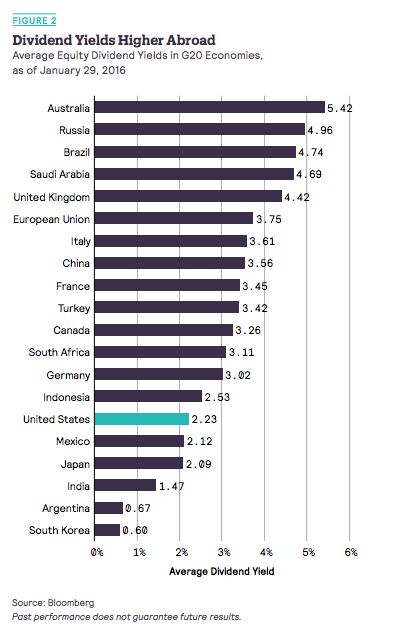
The S&P 500 aggregate dividend yield has varied; recent readings often sit near 1–2% for the broad index, while dividend-focused indexes and ETFs target higher yields. For long-term safety, many income investors follow Dividend Aristocrats — firms that have a long record of raising payouts. (GuruFocus)
Statutory disclaimer
This post is educational and not personalized financial or tax advice. Consult a licensed financial advisor or tax professional before making investment decisions. I am not your financial advisor.
Recommended videos & visual resources (quick links)
Vanguard — Dividend investing and DRIP (YouTube playlist). (YouTube)
Khan Academy — Stocks & dividends (concept videos). (Khan Academy)
Practical ETF walkthroughs (search “Vanguard dividend ETF explained” on YouTube). (YouTube)
Internal links — other posts on this blog
Start here: How to begin investing — https://moneysenseamerica.blogspot.com/search/label/Investing (covers basic accounts and asset allocation).
Tax-smart accounts for U.S. investors — https://moneysenseamerica.blogspot.com/search/label/Taxes (detailed at-a-glance on Roth vs. Traditional accounts).
(Use the blog label pages above to explore related posts and to connect dividend strategy to broader financial planning.)
FAQ (short, practical answers)
Q: Are dividend stocks better than growth stocks?
A: Neither is universally “better.” Dividend stocks provide cash flow and often lower volatility; growth stocks may offer higher long-term price upside. A blended approach often works for many households.
Q: How often are dividends paid?
A: Most U.S. companies pay quarterly. Some pay monthly or annually, and special dividends happen occasionally. (Investor)
Q: Should I buy just high-yield stocks?
A: No — very high yield can signal risk. Balance yield with payout ratio, free cash flow, and business quality.
Q: Will dividends count toward Social Security or Medicare?
A: Dividends increase your adjusted gross income and can affect provisional income calculations, possibly influencing Medicare Part B/Part D IRMAA rules. Consult a tax or benefits advisor.
Bibliography & trusted reading (sources used here)
IRS — Topic No. 404: Dividends and other corporate distributions. (IRS)
Investor.gov — Ex-Dividend Dates and how they work. (Investor)
The Motley Fool / Investopedia — How dividends are taxed (qualified vs ordinary). (The Motley Fool)
S&P Global — Dividend Aristocrats methodology and research. (S&P Global)
S&P 500 dividend yield data (market snapshot). (GuruFocus)


Comments
Post a Comment