What Is Investing? A Simple Beginner’s Guide for Americans (2026 Edition)
What Is Investing? A Simple Beginner’s Guide for Americans (2026 Edition)
New to investing? Learn what investing means, how stocks, ETFs, 401(k), and IRAs work, and how beginner Americans can start investing safely with real US examples.
What Is Investing? A Beginner-Friendly Guide for Americans
If you’ve ever asked yourself, “What exactly is investing?” — you are not alone.
Many Americans think investing is only for Wall Street experts or rich people. That’s not true. Investing is simply using your money today so it can grow over time.
In simple words:
Saving keeps your money safe. Investing helps it grow.
Let’s break it down in the most practical way possible.
What Does Investing Really Mean?
Investing means putting your money into assets that have the potential to increase in value over time.
Common examples in the US:
When you invest, your money works for you instead of sitting idle in a bank account.
Why Saving Alone Is Not Enough


US inflation impact on savings
Savings account balance example
Retirement savings planning America
Checking bank account mobile app USA
Inflation reduces purchasing power every year. If inflation is 3% and your savings account earns 0.5%, you are losing money in real terms.
That’s why Americans invest — to beat inflation and build long-term wealth.
If you haven’t built savings yet, first read our guide on “How to Build Emergency Savings in the USA” (Internal Link). Always invest after building a safety cushion.
Types of Investments Beginners Should Know
1. Stocks


New York Stock Exchange floor
Stock trading app USA
Stock price chart example
Beginner analyzing stock market
When you buy a stock, you buy a small ownership in a company.
For example:
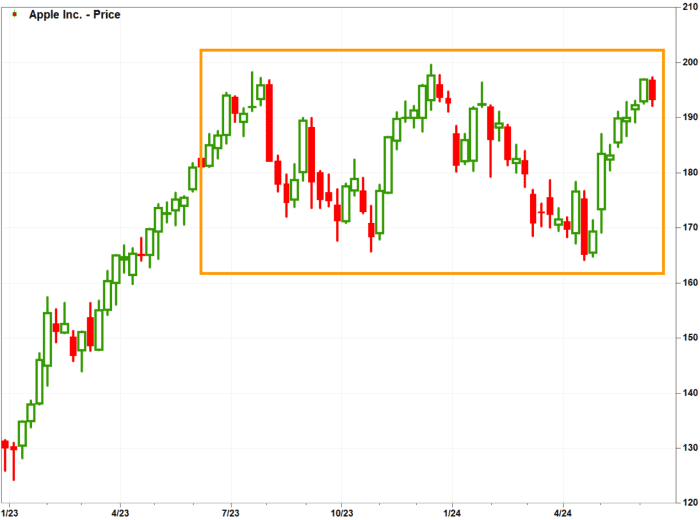
If you buy shares of Apple Inc., you become a partial owner of that company.
Stocks can:
Increase in value (capital gains)
Pay dividends (regular income)
But they can also fall in price. That’s normal market movement.
2. Bonds
Bonds are loans you give to governments or companies.
When you buy a US Treasury bond, you are lending money to the US government.
In return, you receive:
Regular interest
Return of principal at maturity
Bonds are generally less risky than stocks but offer lower returns.
3. ETFs (Exchange-Traded Funds)


ETF diversified portfolio example
S&P 500 index performance chart
Diversification illustration investing
Index fund investment concept
ETFs allow you to invest in many companies at once.
For example:
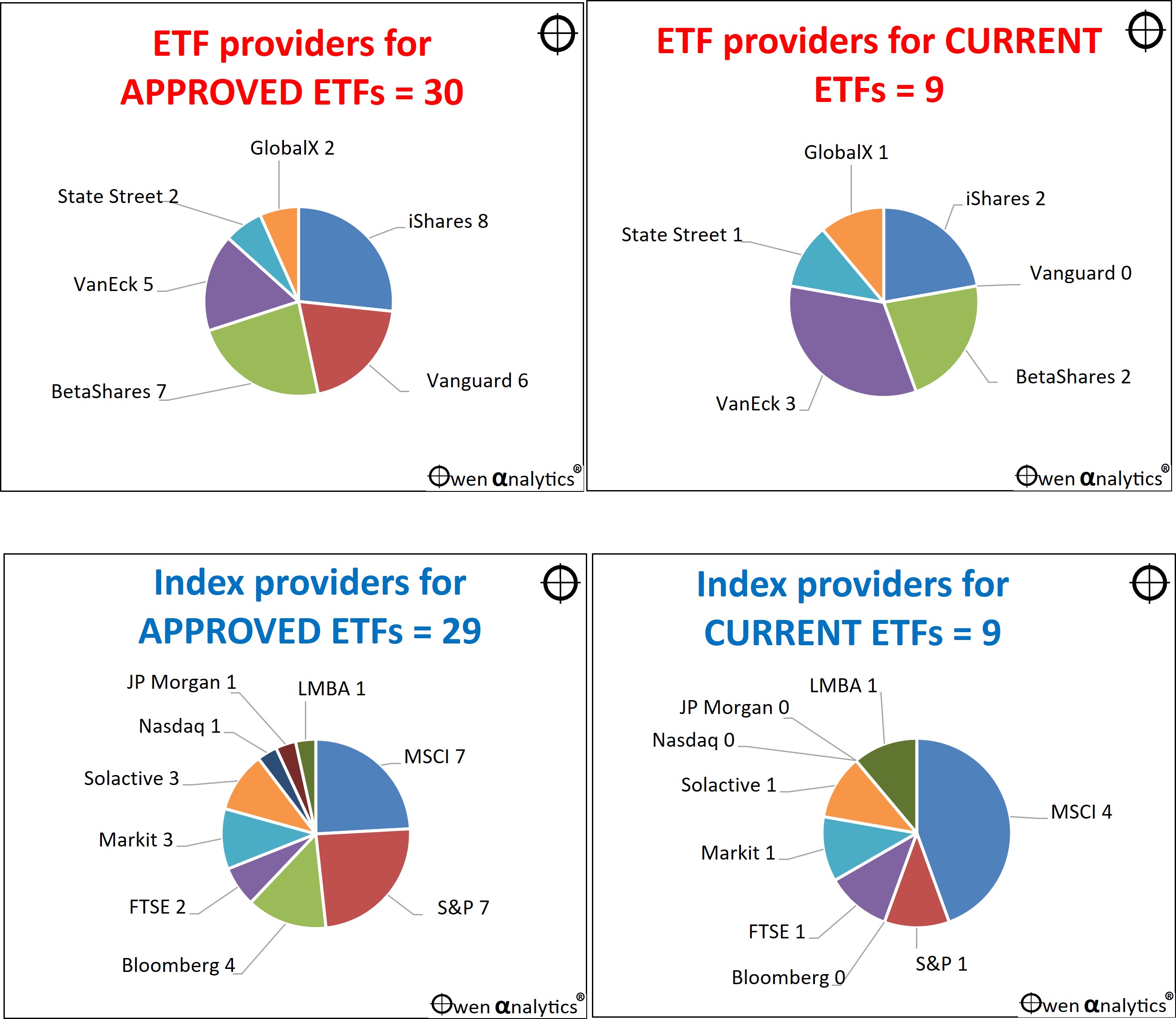
An ETF tracking the S&P 500 gives exposure to 500 large US companies.
This reduces risk compared to buying one single stock.
For beginners, ETFs are often a smart starting point.
4. Retirement Accounts (401(k) and IRA)
If you work in the US, you likely have access to a 401(k).
A 401(k):
Is employer-sponsored
Often includes employer matching
Grows tax-deferred
An IRA (Individual Retirement Account):
Is opened individually
Can be Traditional or Roth
Offers tax advantages
Ignoring employer match is like leaving free money on the table.
If you want deeper tax clarity, also read our post on “Tax Mistakes Americans Make” (Internal Link).
Chart: How $5,000 Grows Over 20 Years
Scenario                       | Value After 20 Years
-------------------------------------------------------
Savings Account (1%)           | $6,105
Stock Market Avg (8%)          | $23,305
No Investment (0%)             | $5,000
This example assumes average annual returns and is for illustration only.
The difference is powerful. That’s compound growth in action.
What Is Compound Interest?
Compound interest means you earn returns on:
Your original money
Your previous gains
It’s like a snowball effect.
The earlier you start, the bigger the impact.
Example:
Sarah invests $200 per month at age 25.
Mike starts at age 35 with the same amount.
By retirement, Sarah may have nearly double — simply because she started earlier.
Beginner Investment Flow (Simple Diagram)
Step 1: Build Emergency Fund
          ↓
Step 2: Pay High-Interest Debt
          ↓
Step 3: Contribute to 401(k) (Get Employer Match)
          ↓
Step 4: Open IRA
          ↓
Step 5: Invest in Low-Cost ETFs
          ↓
Step 6: Stay Invested Long-Term
How Much Should Beginners Invest?
Start small.
Even:
$50 per week
$100 per month
Consistency matters more than amount.
A good rule:
Invest what you won’t need for at least 5 years.
Real US Example
David from Ohio earns $60,000 per year.
He:
Builds $10,000 emergency savings
Contributes 5% to his 401(k) (with 5% employer match)
Opens a Roth IRA
Invests in S&P 500 ETF
After 15 years, steady investing grows into six figures.
Not magic. Just discipline and time.
Common Beginner Mistakes
Waiting too long to start
Trying to time the market
Investing money needed soon
Chasing “hot” stocks
Ignoring fees
Long-term investing beats short-term guessing.
Risk vs Reward (Simple Explanation)
Higher returns usually mean higher risk.
Stocks fluctuate daily.
Bonds are more stable.
Diversification reduces risk.
Think long-term, not daily headlines.
Recommended Educational Resources
Official Investor Education:
U.S. Securities and Exchange Commission (SEC): https://www.investor.gov
Video Resource:
“Investing Basics Explained” – https://www.youtube.com/watch?v=example-investing-basics
Market Data:
New York Stock Exchange – https://www.nyse.com
FAQ
1. Is investing risky for beginners?
All investing carries risk. But long-term diversified investing reduces risk significantly.
2. How much money do I need to start investing?
Many platforms allow you to start with as little as $10–$100.
3. Is 401(k) better than IRA?
If your employer offers matching, start with 401(k). Then consider IRA.
4. Can I lose money in stocks?
Yes, in the short term. Long-term diversified investing historically trends upward.
5. Should beginners buy individual stocks?
Most beginners benefit from ETFs or index funds first.
Statutory Disclaimer
This article is for informational and educational purposes only. It does not constitute financial, tax, or investment advice. Investment markets involve risk, including possible loss of principal. Please consult a licensed financial advisor or certified financial planner before making investment decisions. moneysenseamerica.blogspot.com and the author are not responsible for financial actions taken based on this content.
Bibliography
U.S. Securities and Exchange Commission (SEC)
FINRA Investor Education Foundation
Federal Reserve Economic Data (FRED)
Historical S&P 500 Return Data
Final Thoughts
Investing is not gambling. It is a structured way to build wealth over time.
You don’t need to be rich.
You don’t need to be an expert.
You only need to start.
Time in the market is more powerful than timing the market.
For more smart money guidance, explore other practical guides on moneysenseamerica.blogspot.com, including:
Tax Mistakes Americans Make
How to Build Emergency Savings in the USA
Understanding US Tax Brackets Made Simple
Your future self will thank you for starting today.


Comments
Post a Comment