Obamacare Explained Simply: ACA Plans, Costs, Subsidies & How It Works in the US
Obamacare in the US Explained Simply — Plans, Costs & How It Really Works (2026 Guide)
Obamacare Explained Simply: ACA Plans, Costs, Subsidies & How It Works in the US
Learn how Obamacare (Affordable Care Act) works in the US. Understand ACA plans, premiums, subsidies, Medicaid expansion, enrollment rules, and real-life examples.


“Family enrolling in Obamacare health insurance on HealthCare.gov”
“Couple reviewing ACA health insurance plan documents at home”
“Young adult comparing Affordable Care Act insurance plans online”
“Patient paying copay under ACA health insurance plan”
Many Americans hear the word “Obamacare” and feel confused.
Some think it’s free healthcare.
Some think it’s expensive.
Some don’t know if it applies to them.
The truth is simpler:
Obamacare is the Affordable Care Act (ACA) — a law that helps Americans get health insurance, especially if they don’t have it through a job.
In this guide, we’ll explain how Obamacare works in simple, practical language — with real examples and clear charts.
What Is Obamacare?
“Obamacare” is the popular name for the Affordable Care Act (ACA).
It was signed into law in 2010 and is regulated by:
Centers for Medicare & Medicaid Services
Its main goal:
✔ Make health insurance available
✔ Protect people with pre-existing conditions
✔ Offer income-based subsidies
✔ Expand Medicaid
Who Can Use Obamacare?
Obamacare helps people who:
✔ Don’t have employer insurance
✔ Are self-employed
✔ Work part-time
✔ Lost their job
✔ Retired early (before Medicare)
If you already have good employer insurance, you may not need it.
How Obamacare Works (Step-by-Step)
Step 1: Visit HealthCare.gov
This is the official marketplace website where you compare plans.
You enter:
Age
Income
Family size
Zip code
The system calculates your subsidy.
Step 2: See Plan Options (Metal Levels)


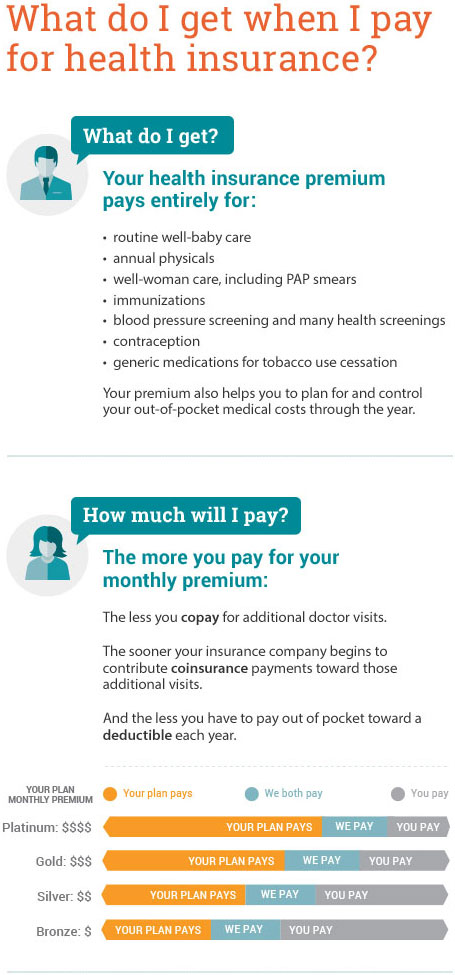
ACA plans come in 4 levels:
| Plan | Monthly Premium | Out-of-Pocket Cost | Best For |
|---|---|---|---|
| Bronze | Lowest | Highest | Healthy people |
| Silver | Moderate | Moderate | Most families |
| Gold | Higher | Lower | Frequent doctor visits |
| Platinum | Highest | Lowest | Chronic conditions |
Step 3: Apply Subsidy
Your income decides how much help you receive.
Subsidies reduce monthly premiums.
Real Example: Single Adult in Texas
Age: 30
Income: $35,000
Silver Plan:
Without subsidy → $420/month
With subsidy → $115/month
Annual savings: $3,660
That’s how Obamacare makes insurance affordable.
Key Obamacare Benefits
1️⃣ No Denial for Pre-Existing Conditions
Before ACA, insurers could reject you for:
Diabetes
Cancer
Asthma
Pregnancy
Now they cannot.
2️⃣ Subsidies Based on Income
Lower income = higher subsidy.
Example:
| Income | Monthly Premium (Silver Plan) |
|---|---|
| $28,000 | $75 |
| $40,000 | $150 |
| $55,000 | $260 |
Subsidies are managed through tax credits regulated by the
Internal Revenue Service.
3️⃣ Medicaid Expansion
Many states expanded Medicaid under Obamacare.
If your income is low, you may qualify for:
✔ $0 premium
✔ Low copays
✔ Full coverage
Check your state eligibility.
4️⃣ Essential Health Benefits
All ACA plans must cover:
✔ Emergency services
✔ Hospital care
✔ Maternity care
✔ Prescription drugs
✔ Mental health services
✔ Preventive care
This prevents “junk insurance.”
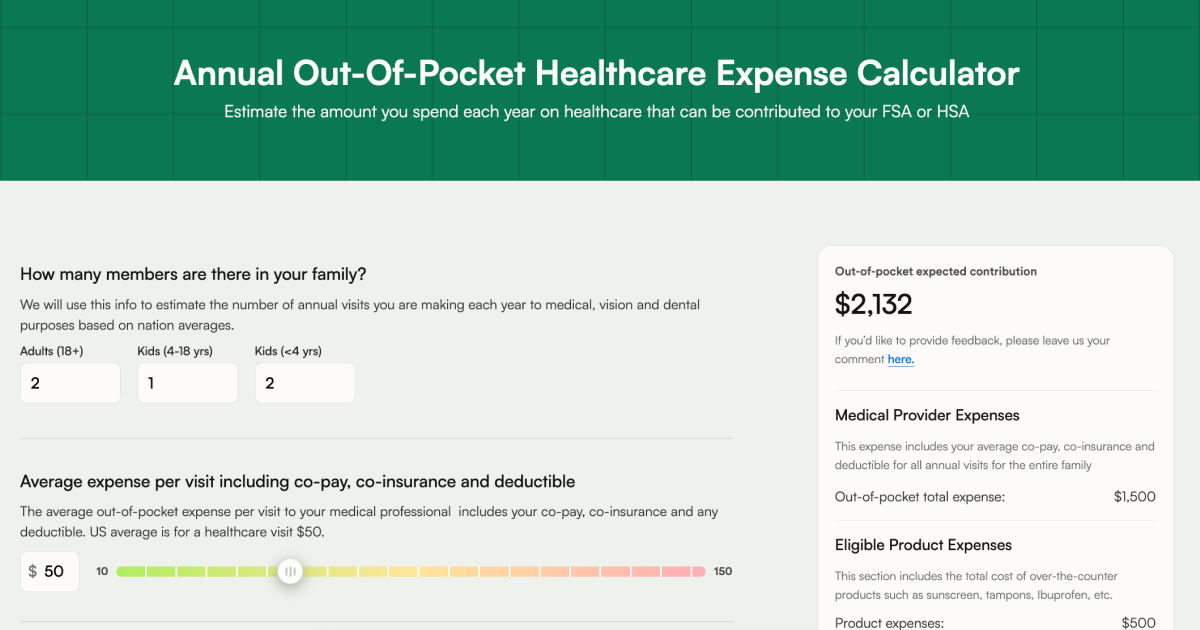
How Much Does Obamacare Cost?
It depends on:
Income
State
Age
Plan level
Cost Example Chart
Family of 3 — Florida
| Plan | Monthly Premium (With Subsidy) |
|---|---|
| Bronze | $140 |
| Silver | $210 |
| Gold | $330 |
Bronze is cheapest monthly.
Gold is cheapest if you need frequent care.
Important Health Insurance Terms Explained

| Term | Meaning |
|---|---|
| Premium | Monthly payment |
| Deductible | Amount you pay first |
| Copay | Flat visit fee |
| Coinsurance | % of cost |
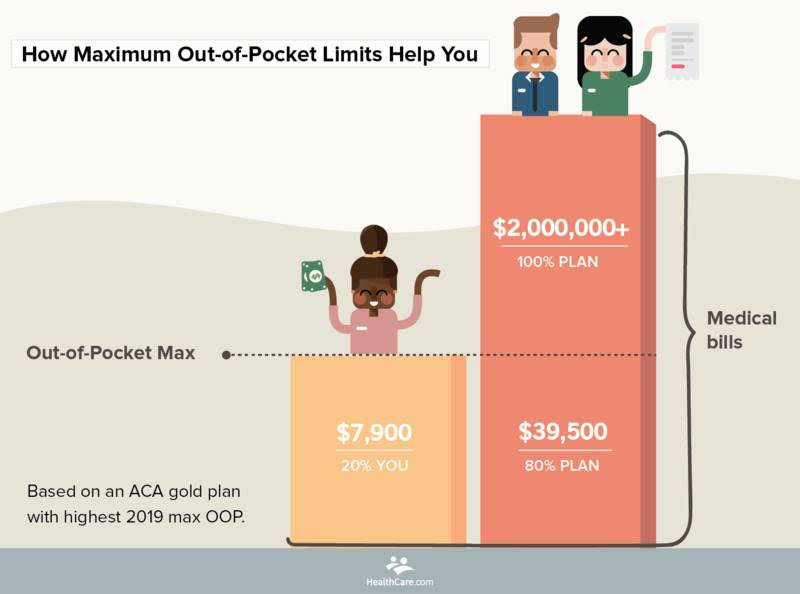
| Out-of-Pocket Max | Maximum yearly spending |
Example:
Hospital bill: $10,000
Deductible: $2,000
Coinsurance: 20%
You pay:
$2,000 + $1,600 = $3,600
Insurance pays the rest.
Who Should Choose Bronze vs Silver vs Gold?
Choose Bronze If:
✔ You are healthy
✔ Rarely visit doctor
✔ Want lowest premium
Choose Silver If:
✔ You qualify for cost-sharing reductions
✔ Moderate healthcare use
Choose Gold If:
✔ Chronic illness
✔ Regular prescriptions
✔ Ongoing treatment
Common Obamacare Mistakes
❌ Missing Open Enrollment
❌ Underestimating income
❌ Choosing cheapest premium blindly
❌ Not checking doctor network
❌ Ignoring subsidy updates
These errors can cost thousands.
Open Enrollment Period
You can enroll:
✔ During Open Enrollment (usually Nov–Jan)
✔ Or after special life events (job loss, marriage, baby)
Outside this window, enrollment is limited.
Helpful Videos & Learning Resources
Obamacare Explained Simply
https://www.youtube.com/watch?v=Y3u0Z6yF0KkHow ACA Subsidies Work
https://www.youtube.com/watch?v=4GZx3ZKzZ9IBronze vs Silver vs Gold Plans
https://www.youtube.com/watch?v=5v5s8kT4mA0Health Insurance Basics
https://www.youtube.com/watch?v=H5Zp3Z0m6jE
(Search official government sources for updates.)
Internal Links (MoneySense America)
👉 “How Health Insurance Works in the US”
moneysenseamerica.blogspot.com👉 “Cheapest Health Insurance Plans in US”
moneysenseamerica.blogspot.com👉 “Best Health Insurance for Self-Employed in US”
moneysenseamerica.blogspot.com
Frequently Asked Questions (FAQ)
Q1: Is Obamacare free?
No. But subsidies can reduce premiums significantly.
Q2: Can I be denied coverage?
No, not for pre-existing conditions.
Q3: Is Obamacare only for unemployed people?
No. Many working Americans use it.
Q4: What happens if my income changes?
Update your marketplace account immediately.
Q5: Do ACA plans cover emergencies?
Yes. Emergency services are required.
Statutory Disclaimer
This article is for educational and informational purposes only. It does not constitute legal, medical, or financial advice. Health insurance rules, subsidies, and eligibility requirements vary by state and may change. Always verify details through official government websites or licensed insurance professionals. MoneySense America and the author are not responsible for actions taken based on this information.
Bibliography & References
U.S. Department of Health and Human Services
https://www.hhs.govCenters for Medicare & Medicaid Services
https://www.cms.govHealthCare.gov — Official Marketplace
https://www.healthcare.govKaiser Family Foundation — ACA Data
https://www.kff.orgInternal Revenue Service — Premium Tax Credits
https://www.irs.gov
Final Takeaway: Obamacare Made Insurance More Accessible
Remember this:
🏥 Obamacare is not perfect — but it protects millions of Americans from financial disaster.
It ensures:
✔ No denial for pre-existing conditions
✔ Income-based help
✔ Essential coverage standards
When used wisely, ACA plans make healthcare more affordable and predictable.


Comments
Post a Comment