How to Reduce Taxes Legally in the US: 15 Proven Ways to Save More Money
How to Reduce Taxes Legally in the US Explained — A Simple Guide for Smart Americans (2026)
How to Reduce Taxes Legally in the US: 15 Proven Ways to Save More Money
Learn how to reduce taxes legally in the US using deductions, credits, retirement plans, and smart planning. Real examples and easy tips included.





“American family planning legal tax savings at home”
“Working professional calculating income tax reduction”
“Couple organizing documents to reduce taxes legally”
“Person reviewing W-2 and tax receipts”
“Family budgeting for lower tax bills”
Every year, millions of Americans ask:
“Am I paying more tax than I should?”
In many cases, the answer is:
👉 Yes — because they are missing legal tax-saving options.
The US tax system allows many ways to reduce your tax bill.
But you must know the rules and use them correctly.
This guide explains how to reduce taxes legally in the US in simple words, with real examples, charts, and step-by-step strategies.
Who Controls Tax Rules in the US?
Federal tax laws are managed by:
These agencies decide tax deductions, credits, and reporting rules.
Always follow official guidelines.
Important Rule: Tax Planning Is Legal — Tax Evasion Is Not
Before we start, remember:
✔ Using deductions = Legal
✔ Claiming credits = Legal
✔ Planning income = Legal
❌ Hiding income = Illegal
❌ Fake expenses = Illegal
❌ False documents = Illegal
This guide focuses only on legal methods.
How Taxes Are Reduced (In Simple Words)
Your tax bill depends on:
Income
↓
Minus deductions
↓
Equals taxable income
↓
Apply tax brackets
↓
Minus credits
↓
Final tax
To reduce tax, you must:
👉 Reduce taxable income
👉 Increase credits
That’s the secret.
Method 1: Use the Standard Deduction Fully


Most Americans use the standard deduction.
Example (illustrative):
| Status | Deduction |
|---|---|
| Single | ~$13,800 |
| Married | ~$27,700 |
Example
Income: $55,000
Deduction: $13,800
Taxable income = $41,200
You save tax on $13,800 automatically.
Method 2: Contribute to 401(k) and IRA (Very Powerful)
Retirement accounts reduce tax now.
How It Works
Money you put in:
✔ Is not taxed today
✔ Grows tax-deferred
✔ Lowers taxable income
Example
Income: $70,000
401(k) contribution: $6,000
New taxable income: $64,000
Tax saved: $1,200+ (approx.)
Plus retirement savings.
Win-win.
Method 3: Use HSA and FSA for Medical Costs



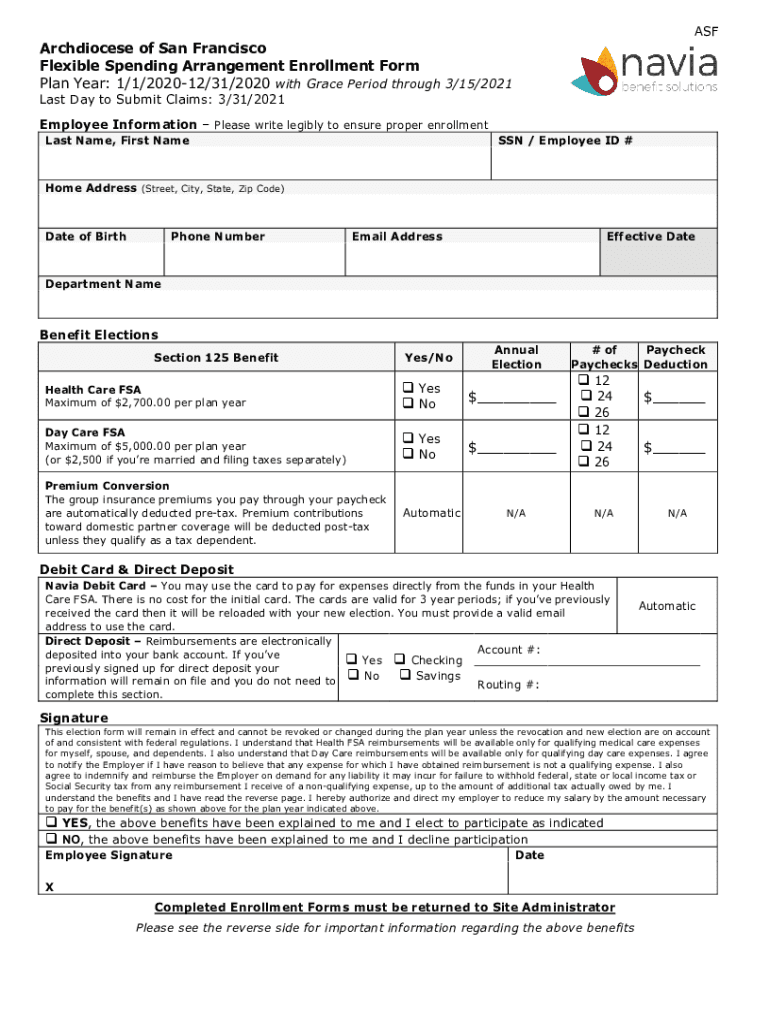
If you have health insurance, use:
✔ HSA (Health Savings Account)
✔ FSA (Flexible Spending Account)
These allow you to pay medical bills with pre-tax money.
Example
Medical expenses: $3,000
Paid via HSA
Tax saved ≈ $600
That’s real cash.
Method 4: Claim All Tax Credits (Free Money)
Tax credits reduce tax directly.
Popular Credits
✔ Child Tax Credit
✔ Earned Income Tax Credit
✔ Education Credits
✔ Saver’s Credit
Example
Tax owed: $5,500
Credit: $2,000
New tax: $3,500
Saved: $2,000
Better than deductions.
Method 5: Choose the Right Filing Status
Your filing status affects your tax rate.
| Status | Who Uses It |
|---|---|
| Single | Unmarried |
| Married Joint | Married |
| Head of Household | Single + dependents |
Wrong status = Higher tax.
Example
Lisa — Single Mom
Filed as Single ❌
Tax: $6,100
Filed as Head of Household ✅
Tax: $4,900
Saved: $1,200
Method 6: Itemize When It Makes Sense
If your expenses are high, itemize.
Common deductions:
✔ Mortgage interest
✔ Charity donations
✔ Medical bills
✔ State taxes
Example
Itemized total: $29,000
Standard: $27,700
Choose itemized → Save more.
Method 7: Deduct Business and Side Hustle Expenses
If you earn 1099 income, you can deduct expenses.
Common Deductions
✔ Internet
✔ Phone
✔ Home office
✔ Laptop
✔ Travel
✔ Software
Example: Freelancer (Texas)
Income: $50,000
Expenses: $8,000
Taxable income: $42,000
Saved: $1,500+
Method 8: Use Education Tax Benefits
If you or your kids study:
✔ American Opportunity Credit
✔ Lifetime Learning Credit
These can save $2,000–$2,500 per year.
Method 9: Invest in Tax-Efficient Accounts
Smart investing reduces tax.
Best Options
✔ Roth IRA (tax-free later)
✔ 529 College Plans
✔ Municipal Bonds
Good planning saves thousands long-term.
Method 10: Harvest Investment Losses
If you lost money in stocks:
You can offset gains.
Example
Profit: $4,000
Loss: $2,000
Taxable gain: $2,000
Lower tax.
Method 11: Donate to Charity Smartly
Charity gives tax benefits.
✔ Cash donations
✔ Goods donation
✔ Volunteer mileage
Always keep receipts.
Method 12: Adjust Your W-4 Withholding
Too big refund = Overpaid tax.
Adjust W-4 to:
✔ Increase take-home pay
✔ Avoid big refunds
✔ Improve cash flow
Method 13: Pay Estimated Taxes on Time
Self-employed people must pay quarterly.
Late payments = Penalties.
Avoid unnecessary fines.
Method 14: Track All Documents





Keep records of:
✔ Receipts
✔ Bank statements
✔ Bills
✔ Forms
Good records = More deductions.
Method 15: Work With a Tax Professional (When Needed)
If you have:
✔ Business income
✔ Investments
✔ Rental property
✔ High income
A CPA may save more than their fee.
Real-Life Case Study (USA)
Robert — Sales Manager (Colorado)
Income: $78,000
Before planning:
Tax: $9,200
After using:
✔ 401(k)
✔ HSA
✔ Child credit
✔ Standard deduction
New tax: $6,800
Saved: $2,400/year
That’s a vacation.
Savings Comparison Chart
| Strategy | Annual Saving |
|---|---|
| 401(k) | $1,200 |
| HSA | $600 |
| Credits | $2,000 |
| Filing Status | $800 |
| Total | $4,600 |
Small steps = Big results.
Common Mistakes That Increase Taxes
❌ Missing credits
❌ Wrong status
❌ No retirement saving
❌ Poor record-keeping
❌ Late filing
Avoid these.
Internal Links (MoneySense America)
👉 “How Income Tax Works in the US Explained”
moneysenseamerica.blogspot.com👉 “Federal Tax Brackets in the US Explained”
moneysenseamerica.blogspot.com👉 “Standard Deduction in the US Explained”
moneysenseamerica.blogspot.com
Helpful Videos & Learning Resources
How to Reduce Taxes Legally
https://www.youtube.com/watch?v=Y3u0Z6yF0KkTax Deductions and Credits
https://www.youtube.com/watch?v=5v5s8kT4mA0Retirement Tax Planning
https://www.youtube.com/watch?v=4GZx3ZKzZ9ISmall Business Tax Tips
https://www.youtube.com/watch?v=H5Zp3Z0m6jE
(Search official finance channels for updates.)
Frequently Asked Questions (FAQ)
Q1: Can I really reduce taxes legally?
Yes. Most Americans can save $1,000+ yearly.
Q2: Is using deductions risky?
No, if done honestly.
Q3: Should I always hire a CPA?
Only if finances are complex.
Q4: Are retirement contributions locked?
Usually until age 59½.
Q5: Do students get tax benefits?
Yes, through education credits.
Statutory Disclaimer
This article is for educational and informational purposes only. It does not constitute tax, legal, or financial advice. Tax laws, deductions, and credits change frequently and vary by individual circumstances. Always consult the Internal Revenue Service or a licensed tax professional before making financial decisions. MoneySense America and the author are not responsible for actions taken based on this content.
Bibliography & References
Internal Revenue Service (IRS)
https://www.irs.govU.S. Department of the Treasury
https://home.treasury.govTax Policy Center
https://www.taxpolicycenter.orgInvestopedia — Tax Saving Guide
https://www.investopedia.comConsumer Financial Protection Bureau
https://www.consumerfinance.gov
Final Takeaway: Smart Planning = More Money in Your Pocket
Remember this rule:
💡 The best tax saver is knowledge.
You don’t need tricks.
You need planning.
Use deductions.
Use credits.
Save for retirement.
Keep records.
When you plan well, you pay less — legally and confidently.


Comments
Post a Comment