HMO vs PPO vs EPO Health Plans in the US: Differences, Costs & Which One Is Best for You
HMO vs PPO vs EPO Plans in the US Explained — A Simple Guide for Everyday Americans (2026)
HMO vs PPO vs EPO Health Plans in the US: Differences, Costs & Which One Is Best for You
Confused about HMO, PPO, and EPO plans? Learn how each health insurance plan works in the US, compare costs, networks, and flexibility, with real examples.




“American family comparing HMO PPO and EPO health plans at home”
“Working adult choosing health insurance plan online in the USA”
“Couple reviewing medical insurance documents and budget”
“Young professional comparing health plans on laptop”
“Family planning healthcare expenses with insurance papers”
Choosing health insurance in the US is not easy.
When you see words like HMO, PPO, and EPO, they look confusing and technical. Many people simply pick the cheapest option — and regret it later.
But here is the truth:
👉 Your plan type decides how much freedom, cost, and protection you get.
This guide explains HMO vs PPO vs EPO plans in clear, simple language — with charts, real examples, and practical advice.
Who Regulates Health Insurance in the US?
Health insurance rules are supervised by:
Centers for Medicare & Medicaid Services
Consumer protections and ACA rules come through HealthCare.gov.
Understanding these bodies helps you trust official plan information.
What Are HMO, PPO, and EPO Plans? (In Simple Words)
Let’s start with the basics.
| Plan Type | Full Form | Main Idea |
|---|---|---|
| HMO | Health Maintenance Organization | Low cost, strict rules |
| PPO | Preferred Provider Organization | High freedom, higher cost |
| EPO | Exclusive Provider Organization | Medium cost, limited network |
All three are legal health insurance networks.
They differ mainly in doctor choice and flexibility.
HMO Plans Explained (Lowest Cost, More Rules)



What Is an HMO?
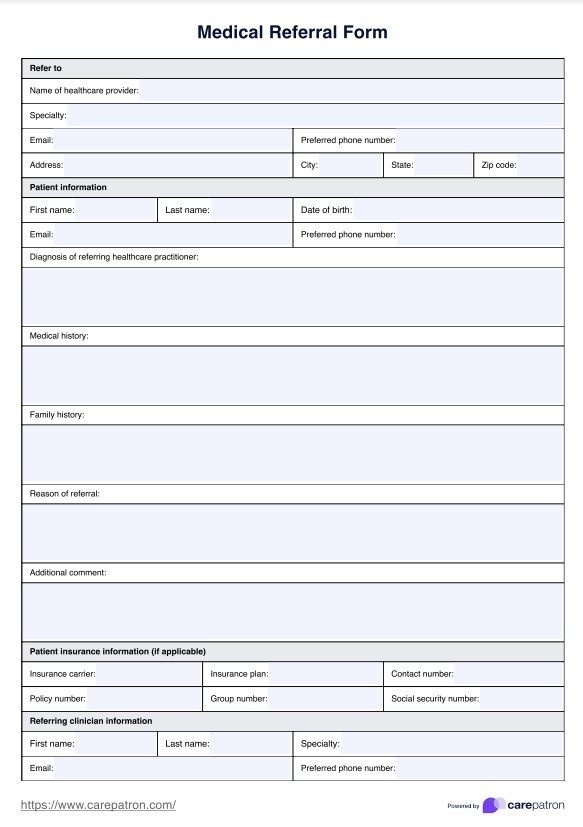
With an HMO, you must:
✔ Choose a Primary Care Doctor (PCP)
✔ Get referrals to see specialists
✔ Stay inside the network
No referral = no coverage (except emergencies).
HMO Features
| Feature | HMO |
|---|---|
| Monthly Premium | Low |
| Deductible | Low |
| Referrals | Required |
| Out-of-Network | Not covered |
| Flexibility | Low |
Example: Maria — School Assistant (Arizona)
Plan: HMO
Premium: $180/month
PCP visit: $20 copay
She sees specialists only with referrals.
Result: Very affordable, but limited choice.
Who Should Choose HMO?
✔ Budget-focused families
✔ People with one main doctor
✔ Those who rarely travel
✔ Medicaid/ACA users
If you want cheap and simple → HMO works.
PPO Plans Explained (Most Freedom, Highest Cost)


What Is a PPO?
With a PPO, you can:
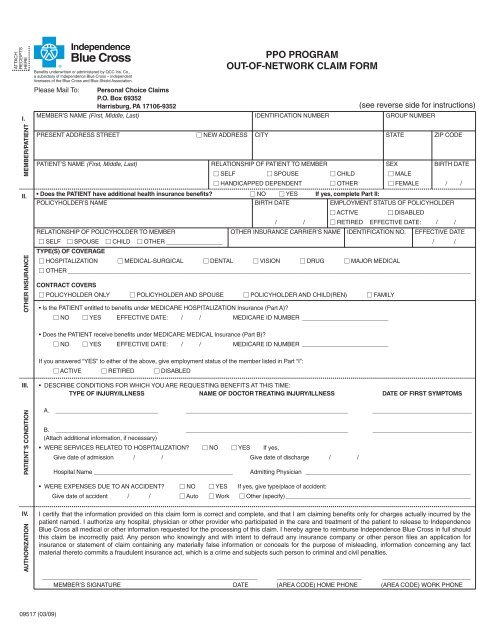
✔ Visit specialists without referrals
✔ See out-of-network doctors
✔ Choose freely
Insurance still pays — even outside network (partially).
PPO Features
| Feature | PPO |
|---|---|
| Monthly Premium | High |
| Deductible | Medium–High |
| Referrals | Not required |
| Out-of-Network | Partially covered |
| Flexibility | Very High |
Example: James — Sales Manager (New York)
Plan: PPO
Premium: $460/month
Specialist visit: No referral
He travels often and sees doctors in different states.
Result: Expensive, but very flexible.
Who Should Choose PPO?
✔ Frequent travelers
✔ Chronic illness patients
✔ Those who want freedom
✔ Large employer plan users
If flexibility matters most → PPO fits.
EPO Plans Explained (Middle Path Option)




What Is an EPO?
An EPO is a mix of HMO and PPO.
You get:
✔ No referrals
✔ No out-of-network coverage
✔ Moderate cost
Think of it as “freedom inside a fence.”
EPO Features
| Feature | EPO |
|---|---|
| Monthly Premium | Medium |
| Deductible | Medium |
| Referrals | Not required |
| Out-of-Network | Not covered |
| Flexibility | Medium |
Example: Kevin — Web Designer (Florida)
Plan: EPO
Premium: $260/month
Specialists: No referral
But must stay in network.
Result: Balanced cost and freedom.
Who Should Choose EPO?
✔ ACA marketplace users
✔ Urban residents (big networks)
✔ Moderate budgets
If you want balance → EPO is good.
HMO vs PPO vs EPO: Comparison Chart
Quick Comparison Table
| Feature | HMO | PPO | EPO |
|---|---|---|---|
| Monthly Cost | Low | High | Medium |
| Referrals | Yes | No | No |
| Out-of-Network | No | Yes | No |
| Doctor Choice | Limited | Wide | Medium |
| Best For | Budget users | Flexibility lovers | Balanced users |
Real Cost Comparison (Texas Example)
Family of 3 — Houston
| Plan | Premium/Month | Deductible | Max Cost |
|---|---|---|---|
| HMO | $210 | $1,500 | $7,000 |
| EPO | $290 | $2,500 | $8,000 |
| PPO | $420 | $3,000 | $9,500 |
Cheapest: HMO
Most flexible: PPO
Balanced: EPO
In-Network vs Out-of-Network (Very Important)
Your plan works best inside its network.
| Network Type | Your Cost |
|---|---|
| In-Network | Low |
| Out-of-Network (PPO) | High |
| Out-of-Network (HMO/EPO) | Usually $0 covered |
Always check doctors before enrolling.
How to Choose the Right Plan (5-Step Method)
Step 1: Check Your Doctors
Are they in-network?
Step 2: Estimate Medical Use
| Usage | Best Plan |
|---|---|
| Rare visits | HMO / Bronze EPO |
| Moderate | EPO / Silver |
| Frequent | PPO / Gold |
Step 3: Check Travel Needs
Travel often? → PPO
Step 4: Compare Total Cost
Premium + Deductible + Max limit
Step 5: Check Prescriptions
Make sure your medicines are covered.
Common Mistakes When Choosing Plans
❌ Choosing only lowest premium
❌ Ignoring network size
❌ Not checking referrals
❌ Missing drug coverage
❌ Forgetting travel needs
These mistakes cause surprise bills.
Employer vs ACA Plans: Network Differences
| Source | Common Plan |
|---|---|
| Employer | PPO / EPO |
| ACA | HMO / EPO |
| Medicaid | HMO |
Employer plans usually offer more PPOs.
ACA focuses on affordability.
Taxes and Health Plans
Premium subsidies and deductions are governed by the
Internal Revenue Service.
If you use ACA subsidies, report income correctly to avoid repayment.
Helpful Videos & Learning Resources
Recommended Viewing
HMO vs PPO vs EPO Explained
https://www.youtube.com/watch?v=Y3u0Z6yF0KkHealth Insurance Networks Guide
https://www.youtube.com/watch?v=5v5s8kT4mA0Choosing the Right Health Plan
https://www.youtube.com/watch?v=4GZx3ZKzZ9IUnderstanding Provider Networks
https://www.youtube.com/watch?v=H5Zp3Z0m6jE
(Search official healthcare channels for updates.)
Internal Links (MoneySense America)
👉 “How Health Insurance Works in the US”
moneysenseamerica.blogspot.com👉 “Cheapest Health Insurance Plans in US”
moneysenseamerica.blogspot.com👉 “Best Health Insurance for Self-Employed in US”
moneysenseamerica.blogspot.com
Frequently Asked Questions (FAQ)
Q1: Which is better: HMO or PPO?
It depends. HMO is cheaper. PPO is more flexible.
Q2: Can I switch plans later?
Yes, during Open Enrollment or special events.
Q3: Do EPO plans cover emergencies?
Yes. Emergency care is always covered.
Q4: Is PPO always expensive?
Usually yes, but employer plans may subsidize it.
Q5: Can I use out-of-state doctors?
Only PPO usually covers them.
Statutory Disclaimer
This article is for educational and informational purposes only. It does not constitute medical, legal, or financial advice. Health insurance rules, network structures, and pricing vary by state and insurer and may change. Always verify details through official government websites or licensed insurance professionals. MoneySense America and the author are not responsible for decisions made based on this information.
Bibliography & References
U.S. Department of Health and Human Services
https://www.hhs.govCenters for Medicare & Medicaid Services
https://www.cms.govHealthCare.gov — Plan Types
https://www.healthcare.govKaiser Family Foundation — Health Plan Data
https://www.kff.orgInternal Revenue Service — ACA Rules
https://www.irs.gov
Final Takeaway: Pick the Plan That Fits Your Life
Remember this simple rule:
💡 HMO = Cheapest
EPO = Balanced
PPO = Most Freedom
There is no “best” plan for everyone.
There is only the best plan for you.
Choose based on your health, travel, budget, and family needs.
With the right choice, health insurance becomes protection — not pressure.


Comments
Post a Comment