Federal vs Private Student Loans in the USA: Pros, Cons, Costs & Smart Borrowing Guide
Federal vs Private Student Loans in the USA: A Simple Guide for Working Adults (2026 Edition)
Federal vs Private Student Loans in the USA: Pros, Cons, Costs & Smart Borrowing Guide
Learn the difference between federal and private student loans in the USA. Compare interest rates, repayment plans, forgiveness, risks, and examples to choose the best option for your education.





Image ALT Tags (Suggested for Blog Use):
“American student reviewing federal and private student loan documents with parents”
“Graduate checking student loan balance online in the USA”
“Young professional paying student loan EMI through mobile banking”
“College budgeting notebook for student loan repayment”
“Family planning college education costs in the USA”
Paying for college in the USA is expensive.
Tuition, books, housing, and food can easily cost $20,000–$40,000 per year. For many working-class and middle-class families, savings alone are not enough. That’s where student loans come in.
But here is the big question:
Should you choose federal student loans or private student loans?
This guide explains everything in simple language — so you can make a smart, safe decision for your future.
What Are Student Loans? (In Simple Terms)
A student loan is money borrowed to pay for education. You must repay it later with interest.
In the USA, student loans mainly come from:
The government (federal loans)
Banks and private companies (private loans)
Most federal loans are managed by the
U.S. Department of Education
through its student aid system.
Step 1: FAFSA — Your Entry Gate to Federal Loans
Before getting most federal loans, you must fill out FAFSA (Free Application for Federal Student Aid).
It is operated by
Federal Student Aid.
Website: https://studentaid.gov
Why FAFSA Is Important
FAFSA decides your eligibility for:
✔ Grants (free money)
✔ Scholarships
✔ Federal loans
✔ Work-study programs
👉 Always fill FAFSA first. Even high-income families may qualify for low-cost loans.
Two Main Types of Student Loans
Let’s compare both options clearly.
Federal Student Loans (Government Loans)
These are loans given by the U.S. government.
Private Student Loans (Bank Loans)
These are loans given by private lenders like banks and fintech companies.
Federal Student Loans Explained



Main Features of Federal Loans
| Feature | Federal Loans |
|---|---|
| Issuer | U.S. Government |
| Interest | Fixed |
| Credit check | Mostly No |
| Repayment help | Yes |
| Forgiveness | Possible |
| Protection | Strong |
(Source: Consumer Financial Protection Bureau)
Types of Federal Loans
For undergraduates with financial need
Government pays interest while studying
For most students
Interest starts immediately
For parents and graduate students
Higher interest
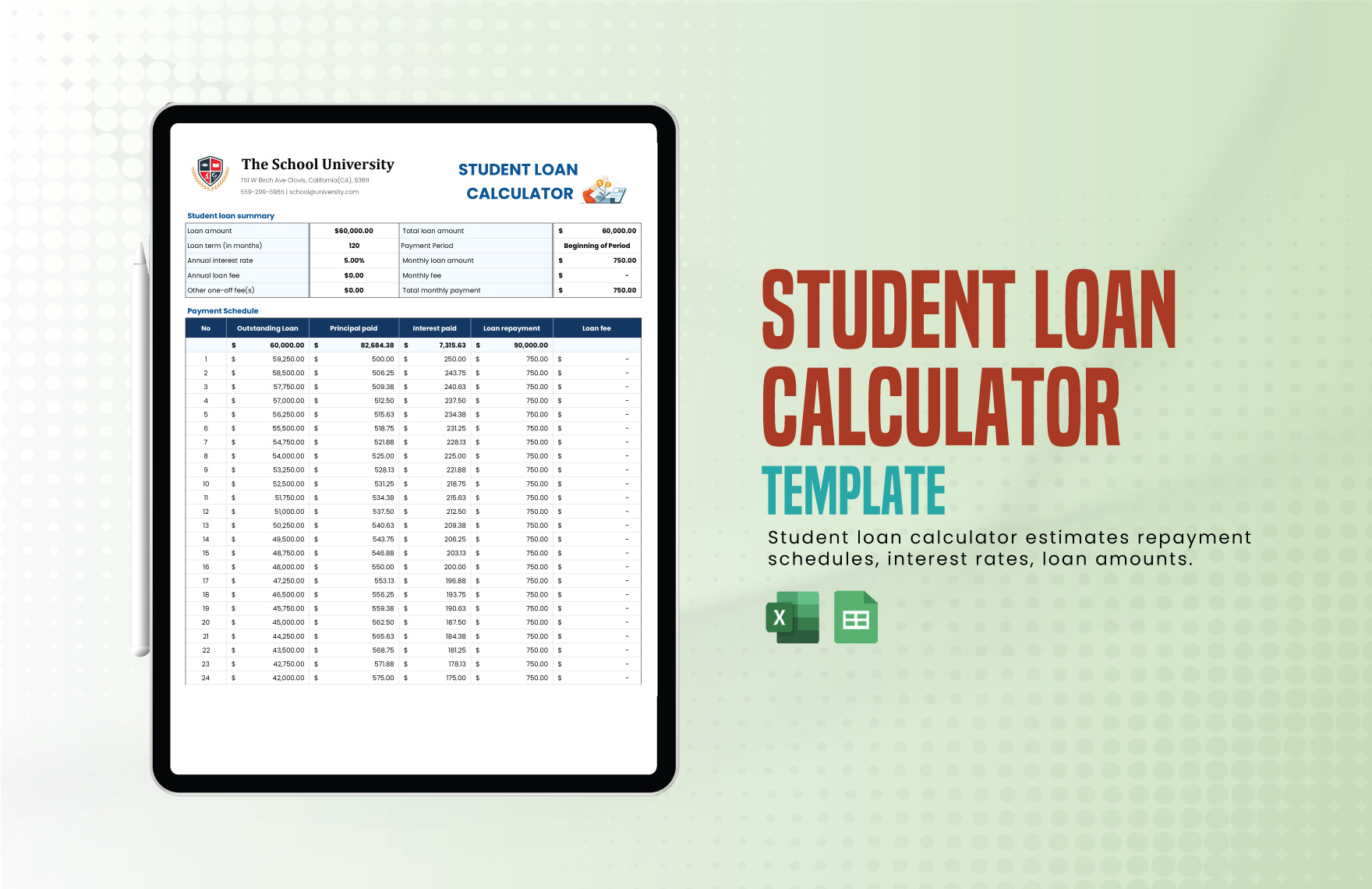
Federal Loan Example
Emily — Nursing Student (Florida)
Emily borrows:
| Year | Loan | Amount |
|---|---|---|
| 1 | Subsidized | $3,500 |
| 2 | Unsubsidized | $4,500 |
| 3 | Unsubsidized | $5,500 |
| 4 | PLUS | $6,000 |
Total = $19,500
Because some loans are subsidized, she saves thousands in interest.
Private Student Loans Explained




Private loans come from:
Banks
Credit unions
Online lenders
They work like personal loans for education.
Main Features of Private Loans
| Feature | Private Loans |
|---|---|
| Issuer | Banks/Lenders |
| Interest | Fixed/Variable |
| Credit check | Yes |
| Co-signer | Often required |
| Forgiveness | Rare |
| Protection | Limited |
(Source: Investopedia)
Private Loan Example
Jason — MBA Student (California)
Jason borrows:
Amount: $25,000
Rate: 9% variable
Term: 10 years
After 10 years:
👉 He pays nearly $39,000
Interest adds $14,000+.
Federal vs Private Loans: Comparison Chart
Quick Comparison Table
| Factor | Federal Loans | Private Loans |
|---|---|---|
| Interest | Fixed, low | Often high |
| Repayment plans | Many options | Limited |
| Forgiveness | Yes | No |
| Income-based payment | Yes | No |
| Default protection | Strong | Weak |
| Best for | Most students | Last option |
Interest Rates: Why They Matter Most
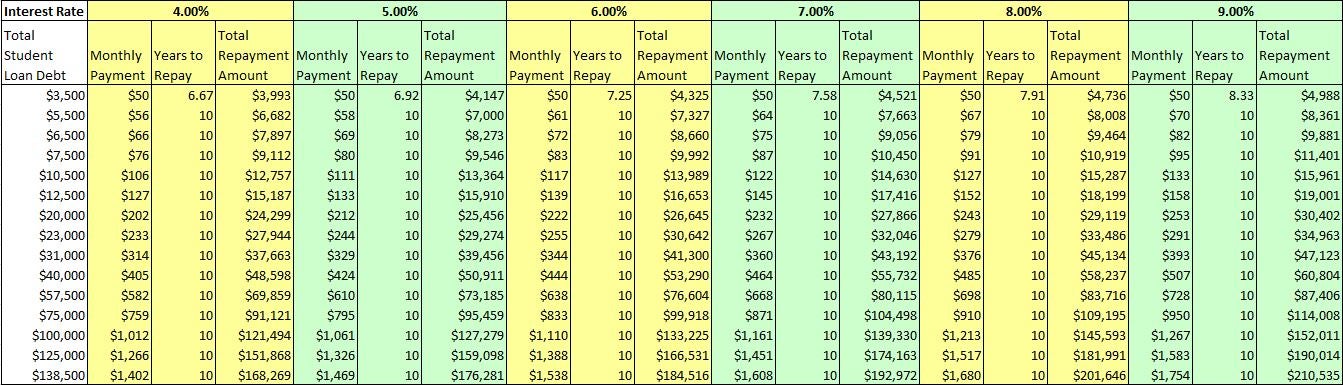
Typical Federal Rates (Approx.)
| Level | Rate Range |
|---|---|
| Undergrad | 5%–6% |
| Graduate | 6%–7% |
| PLUS | 7%–8% |
(Updated yearly at studentaid.gov)
Private Rates
Can start at 4%
Can rise to 12%+ (variable)
👉 Variable rates are risky.
Repayment Plans: Federal Advantage
Federal loans offer multiple repayment systems.
Main Federal Plans
| Plan | Payment Style | Best For |
|---|---|---|
| Standard | Fixed (10 yrs) | Save interest |
| Graduated | Increases | Career growth |
| Extended | Low EMI | High debt |
| Income-Driven (IDR) | Based on salary | Tight budget |
Income-Driven Repayment (IDR)
Payment = 5%–15% of income
Remaining balance → forgiven after 20–25 years.
Private loans rarely offer this.
Loan Forgiveness: A Big Federal Benefit
Public Service Loan Forgiveness (PSLF)
If you work in:
✔ Government
✔ Nonprofits
✔ Public schools
✔ Hospitals
After 10 years → balance may be forgiven.
Private loans ❌ Not eligible.
Tax Angle: Forgiveness and Deductions
If debt is forgiven, it may be taxable.
Check rules with
Internal Revenue Service.
Also, some student loan interest is tax-deductible.
When Should You Use Private Loans?
Private loans may be used when:
✔ Federal limits are exhausted
✔ Strong co-signer available
✔ Stable job expected
✔ Low fixed rate offered
But never use private loans first.
Common Student Loan Mistakes
Avoid these errors:
❌ Skipping FAFSA
❌ Borrowing maximum every year
❌ Ignoring interest
❌ Missing payments
❌ Choosing private loans too early
These mistakes cause long-term stress.
Smart Borrowing Strategy (5-Step System)
Step 1: Use Free Money First
Grants + Scholarships = Priority
Step 2: Maximize Federal Loans
Always take federal before private.
Step 3: Borrow Only What You Need
Live simply in college.
Step 4: Track Your Balance
Check quarterly on studentaid.gov.
Step 5: Pay Early When Possible
Even $50/month saves thousands.
Real-Life Case Study (USA)
Maria — Business Graduate (Texas)
Federal loans: $28,000
Private loans: $7,000
Income: $58,000
Strategy:
✔ Used IDR first
✔ Paid private loan fast
✔ Switched to Standard later
Result: Debt-free in 8 years.
Helpful Videos & Visual Resources
Recommended Learning
Federal vs Private Loans Explained
https://www.youtube.com/watch?v=0xZ8B1vZK0MFAFSA Guide
https://www.youtube.com/watch?v=7Qy1PzZ0Z3ARepayment Plans
https://www.youtube.com/watch?v=K9N5S4WZ9xEStudent Loan Mistakes
https://www.youtube.com/watch?v=3LQmRZP2kHg
(Search official channels for updates.)
Internal Links (MoneySense America)
👉 “How Student Loans Work in the USA”
moneysenseamerica.blogspot.com👉 “Loan Prepayment Pros and Cons in USA”
moneysenseamerica.blogspot.com👉 “How to Pay Off $20,000 Credit Card Debt”
moneysenseamerica.blogspot.com
Frequently Asked Questions (FAQ)
Q1: Are federal loans always better than private?
Yes, in most cases. They offer flexibility, forgiveness, and protection.
Q2: Can I refinance federal loans privately?
Yes, but you lose federal benefits forever. Be careful.
Q3: Do private loans offer forgiveness?
Almost never.
Q4: Should parents take PLUS loans?
Only if repayment fits retirement plans.
Q5: Can student loans be removed in bankruptcy?
Very rarely. It requires extreme hardship proof.
Statutory Disclaimer
This article is for educational and informational purposes only. It does not constitute legal, financial, or tax advice. Student loan rules, interest rates, and government programs change frequently. Consult official government sources, certified financial advisors, or student aid counselors before making borrowing or repayment decisions. MoneySense America and the author are not responsible for actions taken based on this information.
Bibliography & References
Federal Student Aid — U.S. Department of Education
https://studentaid.govConsumer Financial Protection Bureau — Student Loan Tools
https://www.consumerfinance.govInvestopedia — Student Loan Comparison Guides
https://www.investopedia.comInternal Revenue Service — Student Loan Tax Rules
https://www.irs.govNational Center for Education Statistics — College Costs
https://nces.ed.gov
Final Takeaway: The Golden Rule
Remember this simple rule:
🎓 Federal First → Private Last
Use federal loans for safety.
Use private loans only when necessary.
With smart choices today, you protect your income, peace of mind, and future freedom.


Comments
Post a Comment