Best Health Insurance for Self-Employed in the US (2026 Guide): ACA Plans, Costs, Subsidies & Smart Tips
Best Health Insurance for Self-Employed in the US — A Practical Guide for 2026
Best Health Insurance for Self-Employed in the US (2026 Guide): ACA Plans, Costs, Subsidies & Smart Tips
Self-employed in the US? Learn the best health insurance options, ACA marketplace plans, subsidies, HSAs, Medicaid, and cost comparisons with real examples.



“Self-employed freelancer reviewing health insurance options in the USA”
“Small business owner comparing ACA marketplace plans online”
“Independent contractor budgeting medical insurance costs”
“Entrepreneur planning healthcare expenses at home office”
“Remote worker searching affordable health insurance USA”
Being self-employed in America gives freedom.
You choose your clients.
You set your hours.
You build your own income.
But there is one big responsibility:
You must buy your own health insurance.
No employer plan.
No HR department.
No company contribution.
In this guide, we explain — in clear, simple words — the best health insurance options for self-employed Americans, how much they cost, how to save money, and which plan may fit your situation.
Why Health Insurance Is Essential When You Work for Yourself
Medical costs in the US can be extremely high.
| Service | Average Cost Without Insurance |
|---|---|
| ER visit | $1,500+ |
| Broken bone | $3,000–$8,000 |
| Childbirth | $10,000–$20,000 |
| 3-day hospital stay | $30,000+ |
Without insurance, one accident can destroy savings.
Health insurance protects your income and your business.
Who Regulates Health Insurance in the US?
Health coverage laws are overseen by:
Centers for Medicare & Medicaid Services
Most individual plans are sold through the Affordable Care Act marketplace at HealthCare.gov.
Main Health Insurance Options for Self-Employed Americans
Let’s explore the best choices.
1️⃣ ACA Marketplace Plans (Most Common & Recommended)




The ACA (Affordable Care Act) marketplace is the top option for freelancers, contractors, gig workers, and entrepreneurs.
Why ACA Plans Are Popular
✔ Cannot deny pre-existing conditions
✔ Income-based subsidies
✔ Standard coverage rules
✔ Caps on out-of-pocket costs
Plans come in four levels:
| Plan | Monthly Premium | Best For |
|---|---|---|
| Bronze | Lowest | Rare doctor visits |
| Silver | Moderate | Most families |
| Gold | Higher | Frequent medical needs |
| Platinum | Highest | Heavy medical use |
Real Example: Freelance Designer (California)
Income: $52,000/year
Family: Single
Without subsidy → $520/month
With subsidy → $290/month
Silver plan deductible: $2,800
Out-of-pocket max: $8,000
Savings from subsidy: $2,760/year
2️⃣ Medicaid (If Income Is Lower)
If your income drops in a slow business year, you may qualify for Medicaid.
✔ Very low or no premium
✔ Comprehensive coverage
✔ State-based eligibility
Income limits vary by state.
Check eligibility at your state’s Medicaid website.
3️⃣ Health Sharing Ministries (Use With Caution)
Some self-employed individuals choose religious health sharing groups.
Pros:
Lower monthly cost
Cons:
Not insurance
Claims may not be guaranteed
Pre-existing conditions often excluded
Use carefully.
4️⃣ Short-Term Health Insurance
Temporary coverage (3–12 months).
✔ Cheaper
❌ Limited coverage
❌ No ACA protections
Best for short gaps only.
5️⃣ Spouse’s Employer Plan
If your spouse works full-time, joining their employer plan is often cheapest.
✔ Employer contributes
✔ Lower premiums
✔ Better network access
Always compare this option.
Understanding the Real Costs (Simple Breakdown)


Key Cost Terms
| Term | Meaning |
|---|---|
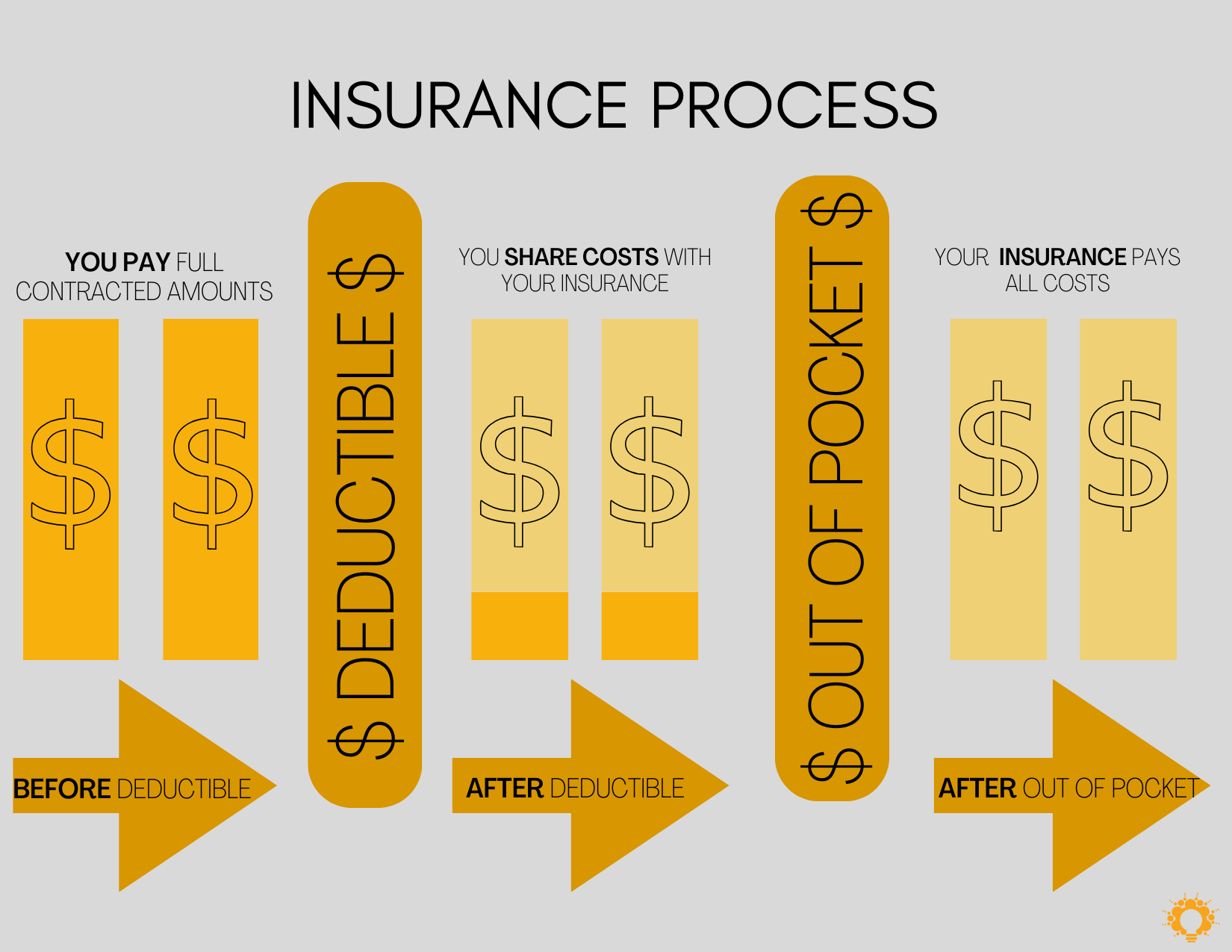
| Premium | Monthly payment |
| Deductible | Amount you pay before insurance pays |
| Copay | Fixed cost per visit |
| Coinsurance | Percentage after deductible |
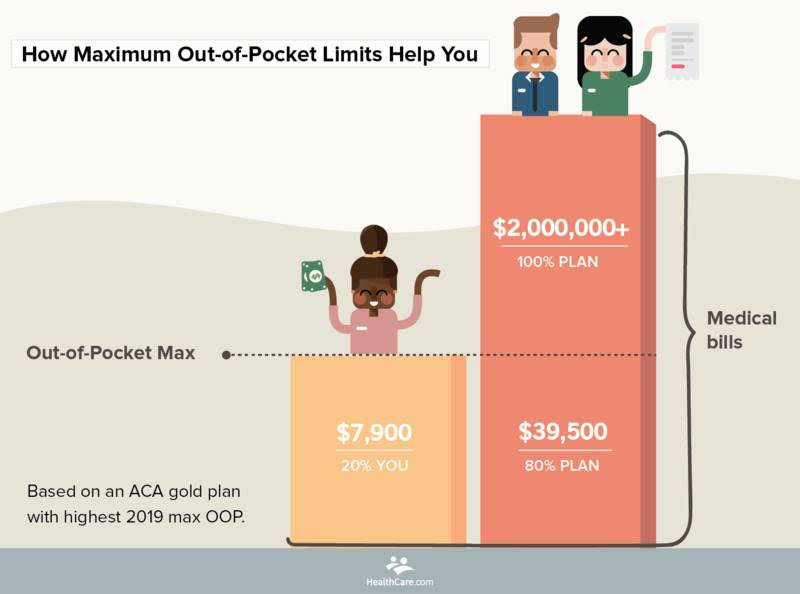
| Out-of-Pocket Max | Maximum yearly spending |
Example: Self-Employed Contractor (Texas)
Plan: Silver
Premium: $340/month
Deductible: $3,000
Coinsurance: 20%
Out-of-pocket max: $8,500
Hospital bill: $15,000
You pay:
First $3,000 deductible
20% of remaining $12,000 = $2,400
Total: $5,400
Without insurance: $15,000
Insurance saved: $9,600
How Subsidies Work for Self-Employed
ACA subsidies depend on estimated annual income.
Lower income = higher subsidy.
Example:
| Income | Estimated Monthly Premium (Silver) |
|---|---|
| $35,000 | $150 |
| $55,000 | $320 |
| $80,000 | $480 |
Important: You must estimate income carefully to avoid tax repayment later.
Tax rules are managed by the
Internal Revenue Service.
HSA: Smart Tax Tool for Self-Employed
If you choose a High Deductible Health Plan (HDHP), you can open a Health Savings Account (HSA).
Benefits:
✔ Tax-deductible contributions
✔ Tax-free growth
✔ Tax-free medical withdrawals
Great for healthy entrepreneurs.
How to Choose the Best Plan (Simple 5-Step Method)
Estimate yearly income accurately
Check ACA marketplace first
Compare total yearly cost (not just premium)
Confirm your doctors are in-network
Check prescription coverage
Cost Comparison Chart (Single Freelancer, Florida)
| Plan | Annual Premium | Max Out-of-Pocket | Best For |
|---|---|---|---|
| Bronze | $4,200 | $9,000 | Rare visits |
| Silver | $6,000 | $8,500 | Balanced coverage |
| Gold | $9,500 | $6,000 | Ongoing medical needs |
Choose based on expected usage.
Common Mistakes Self-Employed People Make
❌ Choosing cheapest premium only
❌ Underestimating income for subsidy
❌ Ignoring network restrictions
❌ Missing open enrollment
❌ Not reviewing plan yearly
These errors cost thousands.
Helpful Videos & Official Resources
ACA Marketplace Explained
https://www.youtube.com/watch?v=4GZx3ZKzZ9IHow Deductibles Work
https://www.youtube.com/watch?v=5v5s8kT4mA0Understanding Health Insurance Basics
https://www.youtube.com/watch?v=Y3u0Z6yF0KkHSAs Explained
https://www.youtube.com/watch?v=8Zp6B2yF5cE
(Search official government sources for updates.)
Internal Links (MoneySense America)
👉 “How Health Insurance Works in the US”
moneysenseamerica.blogspot.com👉 “Emergency Fund Planning for US Families”
moneysenseamerica.blogspot.com👉 “How to Reduce Medical Bills in the USA”
moneysenseamerica.blogspot.com
Frequently Asked Questions (FAQ)
Q1: Is ACA the best option for self-employed?
For most Americans, yes — because of subsidies and legal protections.
Q2: Can I deduct health insurance premiums?
Yes. Self-employed individuals can often deduct premiums on taxes.
Q3: What if my income changes mid-year?
Update your marketplace account immediately to adjust subsidies.
Q4: Is short-term insurance safe?
Only for temporary gaps.
Q5: What is the cheapest option?
Medicaid (if eligible). Otherwise, subsidized ACA Bronze.
Statutory Disclaimer
This article is for educational purposes only. It does not constitute legal, medical, or financial advice. Health insurance laws, subsidy rules, and eligibility requirements vary by state and change frequently. Always verify information through official government websites or consult a licensed insurance professional. MoneySense America and the author are not responsible for decisions made based on this content.
Bibliography & References
U.S. Department of Health and Human Services
https://www.hhs.govCenters for Medicare & Medicaid Services
https://www.cms.govHealthCare.gov Marketplace
https://www.healthcare.govKaiser Family Foundation — Health Data
https://www.kff.orgInternal Revenue Service — Health Insurance Tax Rules
https://www.irs.gov
Final Takeaway: Protect Your Health, Protect Your Business
If you are self-employed, remember:
💡 Your health is your income engine.
The best plan is not always the cheapest — it is the one that protects you from financial disaster.
Compare carefully.
Estimate income honestly.
Review yearly.
With smart planning, health insurance becomes protection — not pressure.


Comments
Post a Comment